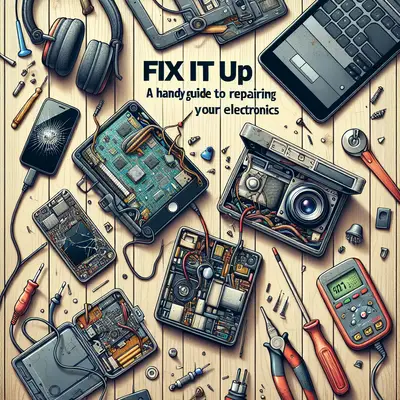
Electronics rarely fail dramatically; most die slowly from dust, loose connections, and small issues that snowball. The good news: a lot of “dead” gadgets can be brought back with simple checks, basic tools, and a calm approach. This guide walks through five practical, step‑by‑step repair tips that DIY enthusiasts can safely tackle at home—without guesswork or unnecessary parts swapping.
1. Reviving “Dead” Devices That Won’t Power On
When a gadget appears completely dead, it’s often something simple in the power chain. Before you assume the worst, walk through a logical sequence to find the weak link.
Step 1 – Confirm the outlet or USB source works
- Test the wall outlet with a lamp or phone charger.
- For USB, move the cable to a different port or charger block.
- If it’s on a power strip, check the switch and reset button.
Step 2 – Inspect the power cable and adapter
- Look for frayed insulation, kinks, burn marks, or a loose plug.
- Gently wiggle the connector at both ends while watching for flickers or intermittent charging lights.
- Try a known-good compatible charger or cable (matching voltage and polarity for DC adapters).
Step 3 – Check the battery connection
- Remove the battery (if accessible) from laptops, cordless tools, cameras, or remotes.
- Inspect contacts for corrosion, dirt, or bent tabs.
- Clean contacts gently with a cotton swab and a bit of isopropyl alcohol (at least 70%). Let dry fully.
Step 4 – Perform a “power reset”
- For laptops, consoles, and some appliances with internal batteries, unplug power, remove the removable battery (if possible), then hold the power button for 15–30 seconds to discharge residual electricity.
- Reconnect power (and battery if needed) and try again.
Step 5 – Watch for life signs
- Look for any change: fan spin, LED flicker, or boot chime.
- If you see partial responses (e.g., lights but no screen), the power path may be OK and the fault lies elsewhere (screen, motherboard, backlight). That’s your cue to narrow the next diagnostic, not to give up.
If at any point you smell burning, see smoke, or hear popping, unplug immediately and do not re‑energize the device without professional inspection.
2. Fixing Loose or Flaky Charging Ports on Phones and Laptops
Many “charging port failures” are actually mechanical issues: lint, dust, or worn sockets causing poor contact. Dealing with the physical connection often restores reliable charging.
Step 1 – Power down the device
- Turn off phones, tablets, or laptops completely.
- Disconnect from mains power and, if removable, take out the battery.
Step 2 – Inspect the port with light and magnification
- Use a flashlight and, if available, a magnifying glass.
- Look for lint packed into phone USB-C/Lightning ports, bent pins, or damaged plastic guides.
- On laptops, also check where the cable plugs into the power brick for looseness.
Step 3 – Gently clear debris
- Use a wooden or plastic toothpick to carefully loosen compacted lint; avoid metal tools that can short pins or scratch contacts.
- For USB-C, work around the inner edges; for Lightning, carefully clear the channel while avoiding prying on the thin center piece.
- Blow out loosened debris with a manual air blower or short bursts from a can of compressed air (held upright to avoid spraying liquid).
Step 4 – Check cable and connector wear
- Try multiple known-good cables. Wobbly connectors, loose strain reliefs, or exposed wiring indicate it’s time to replace the cable.
- If only one side of the plug works or it must be held at an angle to charge, the cable is suspect.
Step 5 – Test stability and charging rate
- Plug in and lightly move the connector; charging should remain stable.
- If your device shows charging speed (e.g., “Fast charging”), verify it’s reaching expected levels.
- Persistent looseness, visible broken pins, or intermittent charge even with new cables usually means the port itself is worn or board-mounted solder joints are cracked. That’s a board-level repair best handled by an experienced technician.
3. Restoring Life to Water‑Exposed Electronics (Small Devices Only)
Accidental splashes and brief submersions don’t always mean instant death—if you respond correctly. While not every device can be saved, proper first aid gives you a real chance.
Important: This section covers small consumer electronics like phones, remotes, keyboards, and handheld devices. For mains-powered or large appliances that get wet, unplug immediately and consult a professional—do not attempt to power them.
Step 1 – Cut power, fast
- Turn the device off immediately.
- Unplug all cables and remove any removable battery, SIM card, and memory card.
- Do not plug it in “just to see” if it still works; that’s when corrosion and shorts do the most damage.
Step 2 – Blot, don’t shake
- Gently shake once to remove obvious liquid, then stop. Aggressive shaking can spread moisture deeper.
- Use absorbent paper towels or a clean cloth to blot external surfaces and any visible pooled liquid.
Step 3 – Open what you safely can
- Remove protective cases, covers, and easily accessible panels (per manufacturer’s manual).
- Do not pry open glued-sealed phones or tablets unless you’re comfortable with advanced repairs and have the right tools.
Step 4 – Dry with airflow, not heat
- Place the device in a warm, dry, ventilated area with gentle airflow from a fan.
- Avoid hairdryers, ovens, radiators, or direct sunlight—excessive heat can warp plastics and damage batteries.
- Silica gel packets (the “do not eat” packs) around the device are more effective than rice, but airflow is still the main drying method.
Step 5 – Wait, then reassemble and test
- Allow at least 24–48 hours of drying time for light exposure; longer for heavy soaking.
- Reinstall the battery (or reconnect power) and turn the device on.
- If it powers up but behaves erratically (ghost touches, random shutdowns), power it down again—corrosion may be ongoing, and professional ultrasonic cleaning might be needed.
Never attempt to charge a swollen or water‑exposed lithium‑ion battery. Replace it before further use.
4. Cleaning Noisy or Overheating Devices With Safe Dust Removal
Fans and vents clogged with dust can cause laptops, gaming consoles, and desktop PCs to overheat, throttle performance, or randomly shut down. Careful cleaning restores airflow and helps electronics last longer.
Step 1 – Shut down and disconnect
- Power the device off completely—not just sleep.
- Unplug from mains and remove external peripherals (USB drives, HDMI, etc.).
- For desktops, switch the power supply rocker switch to “0” if present.
Step 2 – Access vents and panels
- Identify intake and exhaust vents; these are usually along sides, back, or bottom.
- For desktops, remove the side panel (after discharging static by touching a grounded metal object).
- For laptops and consoles, follow manufacturer instructions for removing bottom covers where allowed without voiding warranty.
Step 3 – Use compressed air correctly
- Hold the can upright to avoid expelling liquid propellant.
- Short bursts only, and keep the nozzle several inches away from components.
- When blowing into fan blades, use a toothpick or cotton swab to lightly hold the blades in place so they don’t spin wildly and damage bearings.
Step 4 – Remove surface dust
- Use a soft, anti-static brush to loosen dust on heatsinks, vents, and circuit boards.
- Gently brush dust toward an opening while blowing with air, rather than grinding it into components.
- For outer vents and grilles, a vacuum with a brush attachment can pull dust away—but do not use a vacuum directly on sensitive boards or inside laptops.
Step 5 – Reassemble and monitor temperatures
- Reinstall panels and reconnect cables.
- Power on and listen: fans should sound smoother and possibly quieter.
- Use built-in tools or a trusted utility to monitor device temperature under normal load and confirm it stays within recommended ranges.
If temperatures remain high even after cleaning, dried thermal paste or failing fans may need attention—these are still DIY‑friendly but require extra care and, ideally, a service manual.
5. Repairing Sticky or Unresponsive Buttons and Keys
Remote controls, game controllers, keyboards, and some appliances often fail because grime or worn contacts prevent buttons from registering. Cleaning or reconditioning these surfaces can restore reliable input.
Step 1 – Identify the symptom pattern
- Note which buttons are affected: single key, group of keys, or entire rows.
- If only some keys fail, it’s often a physical contact issue; if whole areas or the entire device is dead, investigate power or digital issues first.
Step 2 – Power down and partially disassemble
- Remove batteries from remotes and controllers.
- Unplug keyboards and input devices from computers or consoles.
- Look for screws under labels or rubber feet; for some remotes and game controllers, the housing also clips together—use a plastic pry tool, not a metal screwdriver, to avoid damage.
Step 3 – Clean external surfaces first
- Dampen a microfiber cloth with isopropyl alcohol (not dripping) and wipe button surfaces.
- For keyboards, remove keycaps (if designed to be removable) and brush dust and crumbs out before deeper work.
Step 4 – Clean internal contacts
- For rubber-dome remotes and controllers:
- Gently lift the rubber membrane that sits over the circuit board.
- Clean the underside of the rubber pads and the corresponding board contacts with a cotton swab lightly moistened with isopropyl alcohol.
- Let everything dry fully before reassembly.
- For mechanical keyboards, avoid flooding switches; spot-clean around the switch housing and consider switch replacement if a single key remains bad.
Step 5 – Reassemble and test every button
- Rebuild the device carefully, ensuring no rubber domes are pinched or misaligned.
- Reinstall batteries or reconnect cables.
- Test each button or key methodically; use a keyboard testing website or the device’s on-screen interface to verify every input.
If certain buttons still fail after cleaning, the conductive coating on the rubber pads or the PCB traces may be worn. Conductive paint repair kits or replacement membranes are available for many popular remotes and controllers and can extend their life significantly.
Conclusion
Most everyday electronics problems start small: dust-choked vents, dirty contacts, loose connections, or moisture in the wrong place. By approaching each issue step‑by‑step—checking power, inspecting physical connections, cleaning safely, and avoiding rushed “let’s see if it still works” tests—you can rescue a surprising number of gadgets from the trash pile. Equip yourself with a few basics (isopropyl alcohol, compressed air, a flashlight, and a modest tool kit), respect safety limits, and you’ll turn frustrating failures into solvable repair projects.
Sources
- U.S. Consumer Product Safety Commission – Product Safety Guidance - General electrical and consumer product safety information, including warnings about damaged cords and overheating devices.
- iFixit – Electronics Repair Guides - Detailed, model‑specific teardown and repair instructions for phones, laptops, consoles, and many other devices.
- Apple Support – If your iPhone or iPod touch gets wet - Official guidance on handling liquid-exposed mobile devices and what not to do.
- Microsoft – Clean and care for your Surface - Practical recommendations for safe cleaning and maintenance of modern portable electronics.
- University of Wisconsin–Madison – Electronics and E-Waste Resources - Background on electronics safety, disposal, and why proper handling of damaged devices matters.
Key Takeaway
The most important thing to remember from this article is that this information can change how you think about Electronics.