Home repairs aren’t just about knowing how to fix things—they’re about knowing when to fix, when to maintain, and when to call it or replace it. This guide walks you through five common home problems and shows you, step by step, how to make smart repair decisions and carry out simple fixes safely. Each repair is designed for DIYers who want clear guidance without wasting money or time.
Before You Start: Safety, Tools, and When to Stop
Before you touch a tool, set yourself up to work safely and efficiently.
Know your limits
If a repair involves structural elements, complex wiring, gas lines, or load‑bearing walls, stop and consult a licensed pro. DIY is great—until it becomes dangerous.
Gather a basic toolkit
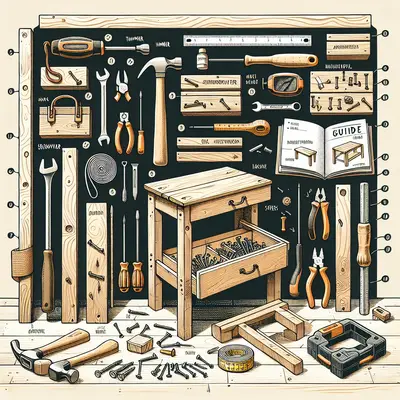
Keep these on hand: - Adjustable wrench - Screwdriver set (flat and Phillips) - Utility knife - Tape measure - Stud finder - Pliers set - Flashlight or headlamp - Safety gear (gloves, eye protection, dust mask)
Shut off what can hurt you
- Water: Locate your main shutoff valve and fixture shutoffs. - Power: Learn which breaker controls which room; label them. - Gas: If you ever smell gas, leave the house and call your utility—don’t troubleshoot.
Photograph before disassembling
Take phone photos of plumbing, wiring, or hardware before you remove anything. Those reference shots can save you an hour of guesswork later.
Use the 20‑minute rule
If you’re stuck on a step for 20 minutes, stop, re‑read instructions, watch a credible video, or consider calling in help. Forcing it is how things break.
Step‑By‑Step Tip #1: Stop a Running Toilet Without Guesswork
A running toilet wastes water and money, but the repair is usually simple.
Step 1 – Diagnose the problem
- Remove the tank lid carefully and set it somewhere safe.
Listen and look:
- Constant trickle into the bowl? Likely a flapper seal issue. - Water level near the top of the overflow tube? Fill valve issue. - Handle feels loose or doesn’t spring back? Chain/handle problem.
Step 2 – Turn off water and drain
- Turn the shutoff valve (behind the toilet) clockwise until it stops.
- Flush the toilet and hold the handle down to empty as much water as possible. Sponge out extra water if you need to work in a dry tank.
Step 3 – Fix a faulty flapper
Inspect the rubber flapper at the bottom of the tank:
- If it’s warped, slimy, or cracked, it won’t seal properly. 6. Unhook the flapper from the overflow tube and chain. 7. Take it to the hardware store and match the replacement style and size.
Install the new flapper and adjust the chain length:
- There should be just a little slack. Too tight and it leaks, too loose and it won’t flush fully.
Step 4 – Adjust water level or fill valve (if needed)
Turn the water back on and watch the fill:
- Adjust the float (screw or clip) so the water stops about 1 inch below the top of the overflow tube. 10. If the fill valve never fully shuts off or is corroded, replace it as a unit (follow the included instructions—it’s mostly nuts and washers).
When to replace, not repair
- If the tank or bowl is cracked or rocking on the floor, call a pro or replace the whole toilet.
- Older, inefficient toilets might be worth replacing with a WaterSense‑labeled model to cut water usage.
Step‑By‑Step Tip #2: Quiet a Squeaky Floor Without Ripping Up Carpet
Squeaky floors usually mean wood is rubbing against a nail, screw, or another board. You can often fix it from above with minimal disruption.
Step 1 – Find the exact squeak spot
- Walk the area slowly while someone else listens below (if you have access to a basement or crawlspace).
- Mark squeaky spots with painter’s tape or sticky notes.
Step 2 – Locate joists
- Use a stud finder with deep scan mode on the floor to locate joists under the subfloor.
- Mark joist locations across the squeaky area—this is where you’ll add screws.
Step 3 – Fix squeaks under carpet with special screws
- Purchase a squeak repair kit for carpeted floors (often comes with breakaway screws and an alignment tool).
- Place the tool over your mark and drive the screw through the carpet and subfloor into the joist.
- Keep the drill steady and drive until the head snaps off beneath the surface, leaving the carpet intact.
- Repeat on several points along the squeak line until the noise stops.
Step 4 – Fix squeaks on bare wood floors
- Drill a small pilot hole into the squeaky spot, aiming for the joist.
- Drive a trim or wood screw just below the wood surface; fill the hole with wood filler to hide it.
When to call in help
- If the floor sags visibly, feels spongy, or you see rotted joists from below, this goes beyond a squeak and needs professional structural evaluation.
Step‑By‑Step Tip #3: Revive a Sticky Interior Door That Won’t Close Smoothly
Sticky doors can be caused by humidity, loose hinges, or a slightly misaligned frame. Fixing them is mostly about adjusting, not replacing.
Step 1 – Identify the snag point
- Close the door slowly and note where it rubs—top, side, or near the latch.
- Check if the hinges are loose by lifting the door gently; any noticeable play means screws may be loose.
Step 2 – Tighten and re‑seat hinges
- With the door open, use a screwdriver to tighten all hinge screws on both the door and the jamb.
If a screw just spins, remove it and:
- Insert wooden toothpicks coated in wood glue into the hole, snap them off, then re‑insert the screw. This gives it new material to bite into.
Step 3 – Adjust the hinge position (minor re‑alignment)
If the door rubs at the top on the latch side, try this:
- Loosen the top hinge screws slightly on the jamb side. - Insert a thin cardboard shim (cut from a cereal box) behind the hinge plate. - Retighten screws. This tilts the door slightly and can clear the rub.
Step 4 – Plane or sand a tight edge (only if needed)
- Mark the exact tight spot with a pencil.
- Remove the door from the hinges (tap pins out from below with a nail and hammer).
- Use a hand plane or sanding block to remove a small amount of wood from the marked area—work slowly and check often.
- Seal the newly exposed wood with paint or sealant to prevent moisture issues, then rehang the door.
When replacement makes sense
- If the door is twisted or badly warped, especially hollow‑core doors in humid climates, replacement is usually faster and looks better long term.
Step‑By‑Step Tip #4: Fix a Dripping Kitchen Faucet Without Replacing the Whole Thing
Most drips come from worn cartridges, O‑rings, or washers. The process is surprisingly straightforward once you know the faucet type.
Step 1 – Identify your faucet style
Look at the handle(s):
- Single‑handle faucet that lifts and rotates usually uses a cartridge or ball valve. - Two‑handle faucets often use compression or ceramic disc cartridges. 2. Check the brand name on the faucet; this helps you find the right parts.
Step 2 – Shut off water and prep
- Turn the hot and cold shutoff valves under the sink off.
- Plug the sink drain so you don’t lose tiny screws.
- Take a picture of the current faucet assembly for reference.
Step 3 – Disassemble carefully
- Pop off any decorative cap on the handle and remove the handle screw.
- Gently lift off the handle and any trim pieces.
- Expose the cartridge, stem, or ball assembly and note the orientation.
Step 4 – Replace cartridges, washers, or O‑rings
- Remove the retaining nut or clip holding the internal parts.
- Pull out the cartridge or stem. Take it to the store to get an exact match or use the brand and model to order one.
- For compression faucets, replace the rubber washer and O‑ring at the end of the stem.
- Reassemble in the reverse order, ensuring everything seats flat and snug (not overtightened).
Step 5 – Test and check for leaks
- Turn water back on slowly while watching for leaks under the sink.
- Run the faucet and switch between hot and cold to confirm the drip is gone.
When to consider replacement
- If the faucet is badly corroded, pitted, or outdated, you may be better off installing a new, more efficient model (especially those with flow‑restricting aerators to save water).
Step‑By‑Step Tip #5: Patch a Small Drywall Hole So It Actually Disappears
From door knobs to picture hooks, drywall takes a beating. Small holes and dents are very DIY‑friendly if you follow a clean process.
Step 1 – Prep the area
- For nail or screw holes, remove any remaining anchors or loose debris.
- For larger holes (up to a few inches), trim any torn paper or jagged edges with a utility knife so the patch will sit flat.
- Lightly sand around the damage to remove gloss from old paint.
Step 2 – Fill small holes and dents
For holes up to about 1/4 inch, use lightweight spackle:
- Apply with a putty knife, pressing firmly to fill the hole completely. - Scrape off excess so it’s almost level with the wall. 5. Let dry according to the product label, then sand lightly with fine‑grit sandpaper.
Step 3 – Patch medium holes with a mesh patch
For holes from 1–4 inches, use a self‑adhesive mesh patch:
- Stick the patch over the hole, centered. 7. Apply a thin layer of joint compound over the patch, feathering the edges 1–2 inches beyond the patch. 8. Let it dry fully, then sand smooth. 9. Apply a second, thinner coat if needed to blend the edges; dry and sand again.
Step 4 – Prime and paint for a seamless finish
- Always prime repaired areas, especially where paper was torn or joint compound is exposed; this prevents flashing (shiny or dull spots) through the paint.
- Once primer dries, paint the area with matching wall paint.
- For touch‑ups, use the same sheen (e.g., eggshell, satin) and dab lightly with a small roller for better blending than a brush alone.
When to scale up the repair
- If the damaged area is larger than a dinner plate, or if the drywall feels soft from moisture, you may need to cut out and replace a section of drywall and investigate the cause of the moisture before patching.
Conclusion
Smart home repair isn’t about tackling everything—it’s about knowing which fixes are safe, realistic, and worth your time. By learning how to stop a running toilet, silence squeaky floors, realign sticky doors, fix a dripping faucet, and patch drywall properly, you build confidence and protect your home’s value. Start with one project, move methodically through each step, and document what you do. Over time, you’ll turn weekend frustrations into quick wins—and that’s the kind of repair momentum that pays off in every room of your home.
Sources
- U.S. Environmental Protection Agency – WaterSense: Toilets - Details on water-efficient toilets and how leaks impact water use
- This Old House – How to Fix a Running Toilet - Practical walkthrough of common toilet repairs
- Family Handyman – How to Fix Squeaky Floors - Techniques and tools for silencing floor squeaks
- Lowe’s – How to Replace a Kitchen Faucet Cartridge - Step-by-step faucet cartridge replacement guide
- Home Depot – How to Patch and Repair Drywall - Visual instructions for drywall patching methods
Key Takeaway
The most important thing to remember from this article is that this information can change how you think about Home Repairs.