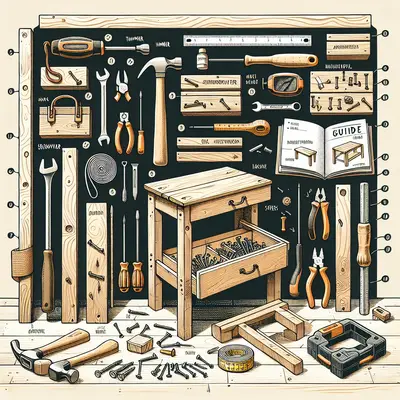
If you like the idea of fixing things yourself but hate half-finished projects, this is your playbook. These are practical, repeatable repair jobs that most DIYers can handle in a weekend with basic tools. Each repair comes with clear, step‑by‑step instructions, simple safety notes, and what to watch for before you start tearing things apart.
1. Quiet a Dripping Faucet (Without Replacing the Whole Thing)
A dripping faucet wastes water and slowly drives you nuts. The good news: in many cases, you can fix it with a $5–$15 replacement cartridge or washer and a bit of patience.
What you’ll need:
Adjustable wrench, screwdriver (Phillips and flat), replacement cartridge or washers/gaskets (check brand/model), plumber’s grease, towel, small container for screws.
Step‑by‑step:
Shut off the water supply
Look under the sink for shutoff valves and turn them clockwise. If there aren’t any, shut off the main water supply to the house. Open the faucet to relieve pressure.
Plug the drain and prep the workspace
Use a sink stopper or rag so screws and small parts don’t vanish down the drain. Lay out a towel to protect the sink.
Remove the handle
Pry off decorative caps if present. Unscrew the handle screw (often hidden under a small cap) and lift the handle off. Keep screws in a container so nothing gets lost.
Access the cartridge or stem
You’ll typically see a retaining nut or clip. Loosen the nut with an adjustable wrench or remove the clip with pliers. Gently pull out the cartridge or stem, noting its orientation.
Inspect and replace seals or cartridge
For cartridge faucets, replace the entire cartridge with an identical one. For compression-style faucets, replace the rubber washer and O‑ring on the stem. Clean any mineral buildup with vinegar and a soft brush.
Lubricate and reassemble
Apply a small amount of plumber’s grease to O‑rings and seals. Reinstall the cartridge or stem in the same orientation, tighten the retaining nut (snug, not over‑tight), and reinstall the handle.
Turn water back on and test
Open the shutoff valves slowly while the faucet is in the “on” position to bleed air. Then turn the faucet off and check for drips over a few minutes.
Skip DIY if: The shutoff valves don’t work or are corroded, or the faucet body itself is cracked.
2. Patch a Drywall Hole So It Actually Blends In
Whether it’s from a doorknob or a missed stud, wall damage is common. A clean patch job means you won’t see a “scar” every time the light hits the wall.
What you’ll need:
Utility knife, drywall patch or mesh tape, joint compound (pre‑mixed), putty knife (4–6"), sanding sponge (fine/medium), primer, matching paint.
Step‑by‑step (small holes up to about 2"):
Clean and square the hole
Use a utility knife to remove loose paper and crumbly edges. For ragged holes, gently cut a more regular shape (circle or square) so the patch adheres evenly.
Apply a self‑adhesive patch or mesh tape
For small holes, a mesh patch is easiest: center it over the hole and press firmly so it sticks flat. For cracks, run mesh tape along the length of the crack.
Spread the first layer of compound
Load your putty knife with joint compound and press it into the mesh, smoothing outward beyond the patch edges. Aim for a thin, even coat that fully covers the mesh but doesn’t create a big hump.
Let dry fully and sand lightly
Follow the drying time on the compound (often 12–24 hours). Lightly sand with a fine sanding sponge to knock down ridges, but don’t grind back into the mesh.
Apply a second (and possibly third) coat
Each coat should be slightly wider than the last, feathering the edges into the surrounding wall. Let each coat dry and lightly sand. The patch should feel flush when you run your hand across it.
Prime before painting
New compound sucks up paint differently than old paint. Use a primer to seal the area; then apply your wall paint. For best blending, paint corner to corner in that section rather than just a tiny spot.
Skip DIY if: The wall feels soft or spongy over a wide area (could be moisture damage that needs more than a patch).
3. Fix a Door That Won’t Latch or Keeps Swinging Open
Doors that don’t stay closed or scrape the floor are usually a hinge or alignment problem—not a “replace the whole door” issue.
What you’ll need:
Screwdriver, wood toothpicks or matchsticks, wood glue, hammer, chisel (optional), utility knife, drill/driver (optional).
Step‑by‑step:
Check the obvious: loose screws
Open the door and inspect the hinge screws on both the door and the jamb. Tighten any loose screws. Test the door—often, this alone fixes sagging.
Repair stripped screw holes
If screws just spin, remove them. Dip wooden toothpicks or matchsticks in wood glue, pack several into the hole, and snap them off flush. Let the glue set, then drive the screws back in. The filled hole will hold tight.
Adjust to fix dragging or misaligned latch
If the door drags at the bottom or the latch doesn’t line up with the strike plate, you may need to adjust hinges: - Slight sag on latch side: Tighten top hinge screws or use longer screws (2–3") into the wall stud. - Door too tight at top latch side: Slightly loosen top hinge screws and gently lift the door while retightening.
Shift the strike plate if needed
If the latch hits above/below the strike plate hole, mark where it actually hits with a pencil. Remove the strike plate and chisel/knife away a small amount of wood in the direction you need to move it. Reinstall the plate and test.
Stop a door from swinging on its own
Remove the middle hinge pin and lay it on a hard surface. Give it a slight bend with a hammer, then reinstall. Friction in the hinge will hold the door in place.
Skip DIY if: The door frame is cracked, rotted, or badly out of square (may require reframing or major carpentry).
4. Replace a Broken Light Switch Safely
A flickery or non‑working switch is more than annoying—it can be unsafe. Replacing a basic single‑pole switch is straightforward if you follow safety steps carefully.
What you’ll need:
New single‑pole switch (and cover plate if needed), flat and Phillips screwdrivers, non‑contact voltage tester, needle‑nose pliers, wire stripper.
Step‑by‑step:
Turn off power at the breaker
Don’t trust the wall switch. Find the correct breaker in your electrical panel and switch it off. Put a piece of tape over the breaker as a reminder.
Verify the power is truly off
Remove the switch cover plate and use a non‑contact voltage tester near each wire and the switch screws. If it beeps or lights up, the power is still on—double‑check the breaker.
Remove the old switch
Unscrew the switch from the electrical box and gently pull it out. Take a photo of the wiring before you disconnect anything.
Note and move wires one by one
On a basic single‑pole switch, you’ll usually see two hot wires on brass screws and a green or bare ground wire. Move each wire to the same position on the new switch: - Ground to green screw - Hot wires to brass screws (orientation doesn’t matter on a simple single‑pole)
Secure connections properly
If the old switch used backstab (push‑in) connectors, consider using the side screws instead for a more secure connection. Strip about 3/4" of insulation, hook the wire around the screw clockwise, and tighten firmly.
Reinstall and test
Carefully fold the wires back into the box, screw the switch in place, and reinstall the cover plate. Turn the breaker back on and test the switch.
Skip DIY if: You see aluminum wiring, multiple cables bundled in confusing ways, or you’re not completely comfortable around electrical work—call a licensed electrician.
5. Clear a Slow Bathroom Sink Drain Without Harsh Chemicals
If water pools around your toothbrush every morning, you likely have a clog of hair, soap scum, and toothpaste—not a failure of your plumbing system.
What you’ll need:
Bucket, old toothbrush, rubber gloves, adjustable wrench or channel‑lock pliers, wire coat hanger or plastic drain snake, rag, mild dish soap.
Step‑by‑step:
Remove the stopper
Many bathroom sink clogs are right at the stopper. Try lifting it out; if it doesn’t come free, you’ll need to disconnect it from under the sink (next step).
Disconnect the stopper rod under the sink
Place a bucket under the drain. Find the small pivot rod going into the back of the drain pipe and loosen the retaining nut with your hand or pliers. Pull the rod out; the stopper should now lift out from the sink.
Clean the stopper thoroughly
Remove hair and gunk from the stopper using a paper towel or old toothbrush. Rinse with hot water and a bit of dish soap.
Snake the drain opening
Use a plastic drain snake or a straightened coat hanger with a small hook on the end to pull out debris from the top of the drain. Avoid pushing clogs deeper; the goal is to pull material out.
Check and clean the P‑trap (if still slow)
If the sink is still sluggish, remove the curved P‑trap under the sink: - Place a bucket underneath. - Loosen the slip nuts by hand or with pliers. - Remove the trap, dump debris into the bucket, and clean it out.
Reassemble and test for leaks
Reinstall the P‑trap and pivot rod, snug but not over‑tight. Put the stopper back in, reconnect the rod, and run water to check for both flow and leaks. Tighten connections slightly if you see drips.
Skip DIY if: Multiple drains in the house are slow at once (could indicate a main line issue needing professional equipment).
Conclusion
Solid DIY repairs aren’t about fancy tools—they’re about choosing the right jobs, working methodically, and knowing when to stop and call in a pro. Fixing a drip, mending a wall, aligning a stubborn door, swapping a light switch, and clearing a slow drain are all skills that pay off over and over again.
Start with the repair that feels least intimidating, follow each step carefully, and treat every project as practice. Over time, you’ll build a mental toolkit that makes your home feel far less fragile—and a lot less expensive to maintain.
Sources
- U.S. Environmental Protection Agency – Water Sense: Fix a Leak - Covers water waste from leaks and basic guidance on fixing common household leaks like faucets
- Family Handyman – How to Fix a Leaky Faucet - Detailed, illustrated walkthroughs for different faucet types and common repair approaches
- This Old House – How to Patch Drywall - Step‑by‑step guidance on drywall patching techniques and finishing tips
- U.S. Consumer Product Safety Commission – Electrical Safety in the Home - Official safety guidelines for working around residential electrical systems
- Mayo Clinic – Household Chemical Safety - Discusses safe use of household chemicals, relevant to avoiding harsh drain cleaners and choosing safer methods
Key Takeaway
The most important thing to remember from this article is that this information can change how you think about Home Repairs.