When a key appliance stops cooperating, most people jump straight to replacement—or at least a pricey service call. But a lot of “dead” or “dying” appliances are just confused, clogged, or a loose connection away from working again. This guide walks through five practical, step‑by‑step fixes that DIY‑minded homeowners can tackle with basic tools and a bit of patience.
These aren’t throwaway hacks; they’re the same foundational checks technicians rely on before recommending costly repairs. Use them as your go‑to routine before you spend money on a new appliance.
Start Here: Safety and Tools Before Any Appliance Repair
Before touching a single screw, set yourself up to work safely and efficiently.
Unplug first, always. For major appliances that are hard‑wired or use 240V (like an electric range or dryer), flip the correct breaker in your electrical panel and verify power is off. If you’re working on a gas appliance, close the gas shutoff valve and keep the area ventilated.
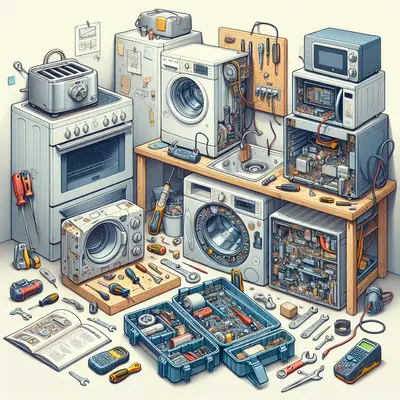
Gather a basic toolkit you’ll use for nearly every repair:
- #2 Phillips and flathead screwdrivers
- Nut driver set (¼" and 5/16" are extremely common on appliances)
- Adjustable wrench or small socket set
- Needle‑nose pliers
- Flashlight or headlamp
- Multimeter (for basic continuity and voltage checks)
- Towels and a shallow pan (for draining water from washers, dishwashers, refrigerators)
Take photos as you go so you can put everything back correctly. Work slowly—forcing a plastic tab or connector is one of the easiest ways to turn a simple repair into a broken part.
Step‑By‑Step Fix #1: When Your Refrigerator Stops Cooling Properly
If your fridge feels warm but the lights still work, you might not need a new compressor. Airflow and dirt are common culprits.
1. Confirm the basics
- Check the temperature settings: fridge around 37–40°F (3–4°C), freezer around 0°F (–18°C).
- Make sure doors are sealing: look for torn gaskets, food containers blocking the door, or frost buildup preventing a tight close.
2. Clean the condenser coils
- Unplug the fridge.
- Pull the fridge away from the wall. Remove the lower back panel or toe grille at the front, depending on your model.
- Use a vacuum with a brush attachment to clean dust and pet hair from the coils and the fan area.
- For stubborn grime, gently brush the coils with a soft brush. Don’t bend the fins.
- Plug the fridge back in. It can take 12–24 hours for temps to fully stabilize.
3. Clear blocked vents and overloaded shelves
- Inside the fridge and freezer, find the air vents. Make sure they’re not blocked by boxes, bags, or tall containers.
- Avoid packing shelves solid—cold air needs room to circulate.
- If you see a solid wall of frost in the freezer, you may have a defrost issue. As a temporary measure, unplug the unit, open doors, and let it completely defrost (put towels down). Once thawed and restarted, monitor for recurring frost.
4. Examine and clean door gaskets
- Close a piece of paper in the door and gently tug. There should be resistance all the way around.
- If sections are loose or dirty, wipe gaskets with warm, soapy water and dry.
- For minor warping, you can sometimes soften the gasket with a hair dryer on low, then press it into place as it cools.
These steps handle many “not cooling well” complaints. If the compressor never runs, the fridge is constantly clicking, or the interior is warm while the freezer is completely iced over, you may be looking at a control board, fan, or sealed system issue—points where a professional diagnosis is usually worth the cost.
Step‑By‑Step Fix #2: Dishwasher That Won’t Drain Without Pulling the Pump
A dishwasher full of dirty water looks like a pump failure, but the fix is often in the drain path—not the motor.
1. Power down and bail out
- Turn off power at the breaker or unplug the dishwasher.
- Use a cup or small container to scoop out standing water into a bucket. Use towels or a sponge for the last inch or so.
2. Check the filter and sump area
- Remove the bottom rack.
- Most modern dishwashers have a twist‑out filter assembly around the lower spray arm. Turn it counterclockwise and lift out.
- Rinse the filter under running water and scrub off grease and debris.
- Shine a light into the sump (the small recessed well). Remove any visible food, broken glass, labels, or bones using gloves or tongs.
3. Inspect the drain hose and garbage disposal connection
- Under the sink, find the dishwasher drain hose—it will run from the dishwasher to the garbage disposal or sink drain tailpiece.
- If your garbage disposal is new or recently installed, confirm the knockout plug was removed from the dishwasher inlet (a very common miss). If not, carefully remove it following the disposal manual.
- Check for kinks or sharp bends in the drain hose. Straighten them out.
4. Clear the air gap or high loop
- If you have an air gap (small fitting on the sink deck), twist off the cap and clean any gunk inside. A clogged air gap will stop draining.
- If you don’t have an air gap, ensure the drain hose has a proper high loop—secured under the countertop—so dirty sink water doesn’t flow back into the dishwasher.
5. Run a test cycle
- Restore power and run a short cycle.
- Listen during the drain portion: you should hear the drain pump humming and see water exiting into the sink drain/disposal.
- If you hear the pump but still no drain, the blockage may be further down the hose or in the pump itself—at that point, removing the lower panel and hose to check for clogs is the next step, if you’re comfortable.
Most drainage issues come down to filters and hose layout. Get those right, and your dishwasher will usually go right back to work.
Step‑By‑Step Fix #3: Electric Dryer Running But Not Drying Clothes
A dryer that spins but doesn’t dry is usually starving for airflow or has a safety cutoff tripped—not necessarily a bad heating element.
1. Verify basic settings and load size
- Confirm the dryer isn’t set to “Air Fluff” or “No Heat.”
- Avoid overloading—the air must circulate through clothes to carry moisture away.
2. Clean the lint screen and housing
- Remove the lint screen and scrub it with warm, soapy water if it’s coated or waxy (fabric softener sheets can leave residue that blocks airflow). Dry completely before reinstalling.
- Use a vacuum with a crevice tool to clean down into the lint housing.
3. Inspect and clean the exhaust vent
- Unplug the dryer. Pull it gently away from the wall.
- Disconnect the vent hose from the back of the dryer. Look for lint buildup and crushed sections.
- If the vent runs through a wall, outside hood, or crawlspace, use a vent brush kit or hire a dryer vent cleaning service if you’re not comfortable climbing or crawling.
- At the exterior vent, make sure the flap opens freely and isn’t clogged by lint, nests, or debris.
4. Run a “no‑vent” test (briefly)
- With the vent hose detached and the dryer pulled away from the wall, plug the dryer back in.
- Run it on a timed high‑heat cycle for 5–10 minutes (do NOT use for full loads like this; it’s just a test).
- If the air inside gets hot and the drum area feels warm, your heating system is likely fine and the restriction is in the vent. If there’s no noticeable heat, you may have a tripped thermostat, blown thermal fuse, or bad element.
5. Check for obvious thermal safety components (if comfortable)
- Unplug the dryer again.
- Remove the rear panel to access thermostats and fuses (their exact locations vary by model; look for small button‑like or oval devices with two wires).
- Using a multimeter set to continuity, check if the thermal fuse has continuity. An open fuse means it has blown and must be replaced with the correct part.
- If the fuse blew due to overheating, fix the airflow issue first (vents, lint, overloading), or the new fuse will blow again.
Good airflow is everything for a dryer. Clean vents not only improve performance but significantly reduce fire risk.
Step‑By‑Step Fix #4: Oven That Won’t Reach (or Hold) the Right Temperature
If your cookies burn on the bottom or your roast never finishes on time, you might have a temperature accuracy problem rather than a dead oven.
1. Calibrate with an oven thermometer
- Place a reliable oven thermometer in the center of the middle rack.
- Set the oven to 350°F (about 177°C) and let it preheat fully, then wait an additional 10–15 minutes.
- Check the thermometer. If it’s consistently off by more than about 15–25°F, you may need to recalibrate.
2. Check for obvious door and rack issues
- Make sure the door closes firmly and evenly. A bent hinge or damaged gasket leaks heat.
- Inspect the door gasket for tears, flat spots, and gaps. Replace if damaged.
- Always test with the oven racks in their normal cooking position; the location can affect temperature readings.
3. Use built‑in calibration (for digital ovens)
- Many digital ovens allow temperature adjustment in the settings menu (often labeled “Calibration,” “Temp Offset,” or similar).
- Refer to your user manual (often available on the manufacturer’s site) for instructions.
- If your oven is running 20°F low, for example, you can typically adjust the offset by +20°F.
4. Visually inspect the heating elements (for electric ovens)
- Turn the oven off and cool completely.
- Inspect the bake (bottom) and broil (top) elements for visible breaks, blisters, or burn spots.
- During a bake cycle, the bottom element should glow red; during broil, the top element should glow. If one never glows, it may be faulty or not receiving power.
5. Test the temperature sensor (for modern ovens)
- Most newer ovens use a temperature sensor probe (a thin metal rod inside the oven).
- With power off, remove the back access panel to reach the sensor connector.
- Disconnect and measure resistance with a multimeter. Typical reading at room temperature is around 1,000–1,100 ohms (check your manual or manufacturer specs).
- A wildly off reading or open circuit usually means the sensor needs replacement.
Consistent temperature is more than a convenience issue—undercooked food can be a safety risk. Once you’ve confirmed accurate readings and a solid door seal, you’ll usually see a big improvement in baking reliability.
Step‑By‑Step Fix #5: Washing Machine That Shakes, Walks, or Won’t Spin Out
A washer that thumps around the room is not only annoying, it can damage internal components over time. Balance and support are generally the first things to check.
1. Level the machine
- Place the washer in its final position, leaving enough room to access the sides.
- Put a bubble level on top, first left‑to‑right, then front‑to‑back.
- Adjust the front (and sometimes rear) leveling feet by turning them in or out until the washer is level in both directions. Lock the feet in place if your model has lock nuts.
2. Check floor stability
- Even if the washer is level, a spongy or uneven floor can amplify vibration.
- If possible, position the washer over a joist or on a more solid section of flooring.
- Anti‑vibration pads can help, but they won’t fix a grossly unstable floor.
3. Remove shipping bolts (for newer front‑loaders)
- If your machine is new and shakes violently from the first run, confirm that all shipping bolts and brackets were removed according to the manual.
- These bolts lock the drum for transport; running the machine with them still installed can cause serious damage.
4. Balance the load
- Mix large and small items—don’t wash a single heavy blanket by itself if you can avoid it.
- If the washer starts banging during spin, pause the cycle, open the door/lid, and redistribute the load manually.
5. Inspect suspension and shock components (if accessible)
- For top‑loaders: open the lid and press down on the tub. It should move freely but not bounce excessively. Worn suspension rods or springs may need replacement.
- For front‑loaders: remove the lower front panel (after unplugging) and look at the shock absorbers. If you see oil leakage, broken mounts, or a shock that moves with almost no resistance, it’s likely worn.
- These parts are usually modular and replaceable with basic tools, though the procedure depends on the model.
Keeping a washer stable protects your floor, your machine, and your sanity. Once you’ve dialed in level, support, and load habits, spin problems tend to disappear.
Conclusion
Most appliance “failures” start as simple issues: clogged filters, blocked vents, dirty sensors, or loose connections. By working through structured checks—like cleaning coils, confirming airflow, leveling machines, and verifying sensors—you can bring a surprising number of “broken” appliances back to life without calling in a pro.
When you hit a point involving gas lines, high‑voltage testing, sealed refrigerant systems, or anything that makes you uncertain, that’s the moment to stop and consult a professional. But for the five scenarios above, careful DIY troubleshooting can often save you a service call, extend the life of your appliances, and give you a lot more control over what’s happening in your own home.
Sources
- U.S. Department of Energy – Appliances and Equipment – General guidance on efficient operation and maintenance of household appliances
- Consumer Product Safety Commission – Clothes Dryer Safety Alert – Official safety information and fire‑prevention tips related to dryer vents and lint buildup
- FDA – Refrigerator & Freezer Storage: Food Safety – Recommended refrigerator and freezer temperatures and storage guidance
- Mayo Clinic – Food Poisoning Prevention – Why proper cooking and oven temperature accuracy matter for food safety
- Whirlpool Owner Center – Example of major manufacturer manuals and troubleshooting guides for dishwashers, ovens, washers, and dryers
Key Takeaway
The most important thing to remember from this article is that this information can change how you think about Appliances.