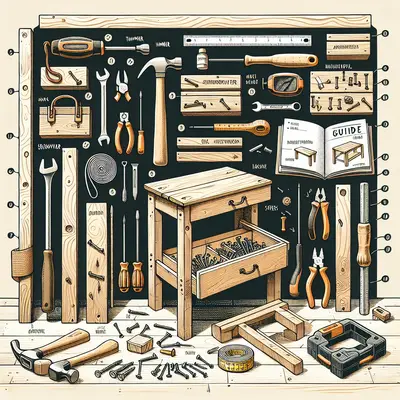
Sometimes your home doesn’t need a renovation; it just needs a few smart repairs that reset how everything looks, sounds, and works. These are the fixes that make doors stop sticking, rooms feel brighter, and small annoyances finally disappear.
Below are five step-by-step repair projects that most DIY enthusiasts can handle with basic tools. Each one targets a “micro-problem” that quietly lowers your home’s comfort level—and fixes it for good.
1. Stop a Door From Sticking or Rubbing
A door that drags on the floor or rubs the frame is annoying and can get worse over time. This fix usually takes under an hour and often requires no new parts.
Step 1: Find the contact points
Open and close the door slowly and note where it sticks—top, side, or bottom. Look for fresh rub marks on the paint or frame, or scuff marks on the floor.
Step 2: Tighten the hinge screws
Use a screwdriver to snug all hinge screws on both the door and the frame. Loose screws can pull the door out of alignment just enough to cause sticking.
Step 3: Fix stripped screw holes (if screws keep spinning)
If a hinge screw won’t tighten because the hole is stripped, remove it. Insert wooden toothpicks or a small dowel coated with wood glue into the hole, snap them off flush, let the glue set, then reinstall the screw. This gives the screw fresh wood to bite into.
Step 4: Adjust the hinge position (if needed)
If the door rubs at the top on the latch side, try slightly loosening the top hinge screws on the frame side, gently pulling the door upward/outward, then retightening. Small adjustments can correct alignment without sanding.
Step 5: Lightly plane or sand the edge (only if adjustment isn’t enough)
If the door still sticks, mark the rub area with a pencil, remove the door from the hinges, and use a hand plane or sanding block to remove a small amount of material from the edge. Test-fit frequently. Once it closes smoothly, sand lightly and touch up the paint or finish.
2. Fix a Dripping Faucet the Right Way
A dripping faucet wastes water and slowly drives you crazy. Most leaks come from worn internal parts that are cheap and straightforward to replace.
Step 1: Identify the faucet type
Common types are compression (separate hot/cold, turn fully off), cartridge, ball, and ceramic disc faucets. Look for brand names or model numbers under the handle or on the escutcheon plate; this makes finding parts easier.
Step 2: Turn off the water supply
Locate the shutoff valves under the sink and turn both clockwise until they stop. Open the faucet to relieve pressure and ensure water is off.
Step 3: Disassemble the handle
Pop off decorative caps with a small flathead screwdriver, then remove the handle screw. Lift off the handle to expose the internal cartridge or stem. Take photos as you go so reassembly is easier.
Step 4: Remove and inspect the cartridge/stem and seals
Carefully pull out the cartridge (for cartridge or disc faucets) or the stem (for compression faucets). Check rubber washers, O-rings, and seals for cracks, grooves, or flattening. These are usually the leak culprits.
Step 5: Replace worn parts and reassemble
Bring the old parts to a hardware store to match replacements by brand and model. Install the new parts, lightly lubricate O-rings with plumber’s grease, reassemble the faucet in reverse order, and slowly turn the water back on while watching for leaks.
3. Patch a Wall Hole So It Actually Disappears
Poor patches are obvious; good ones vanish into the wall. Whether it’s from a doorknob, moving furniture, or a badly placed screw, you can repair drywall holes so they blend in with the rest of the surface.
Step 1: Clean and shape the damaged area
For nail or screw holes, scrape away loose paint or crumbling drywall with a putty knife. For larger holes (up to about 4–5 inches), square off the edges with a utility knife so you’re working with a clean opening.
Step 2: Choose the right patch method
- Small holes (nail/screw): Lightweight spackle is enough.
- Medium holes (up to 1/2"): Joint compound or patching compound.
- Larger holes (up to ~4–5"): Adhesive mesh patch plus joint compound.
Select materials based on the hole size so the repair remains solid and crack-free.
Step 3: Apply compound in thin layers
For tiny holes, press spackle into the hole with a putty knife, scrape flat, and you’re done. For larger holes with a mesh patch, stick the patch over the hole, then spread joint compound across and beyond the patch, feathering the edges. Let it dry thoroughly.
Step 4: Sand and repeat if needed
Lightly sand with fine-grit sandpaper (e.g., 220-grit) until smooth. If you can still see the patch outline, apply a second thin layer of compound, feather it wider, let dry, and sand again. The goal is a seamless transition, not a thick mound.
Step 5: Prime and paint
Always prime patched areas; unprimed compound absorbs paint differently and will show through. After primer dries, paint the patch and surrounding wall. If you don’t have the original paint, bring a chip or a painted switch plate to get a color match at the paint store.
4. Quiet a Noisy Bathroom Fan and Boost Its Performance
A bathroom exhaust fan that rattles, hums, or barely moves air isn’t doing its job—and may be full of dust. Cleaning and basic maintenance can make it quieter and more effective.
Step 1: Cut the power
Turn off the fan at the switch, then, for extra safety, switch off the breaker that controls the bathroom circuit. Test the fan switch to confirm it won’t turn on.
Step 2: Remove the cover
Most covers pull down slightly and then release from spring clips; squeeze the wire clips inward to detach them. If the cover is painted to the ceiling, score around the edge with a utility knife first.
Step 3: Clean the cover and housing
Vacuum dust from the cover grille using a brush attachment, then wash it with warm soapy water if needed and let it dry. Use a vacuum and/or a soft brush to remove dust from the fan blades, motor housing, and surrounding area. Dust buildup is a common cause of noise and poor airflow.
Step 4: Tighten and inspect components
Check for any loose screws mounting the fan assembly to the housing and tighten them. Gently wiggle the fan motor bracket and duct connection to ensure they’re secure. If the fan still rattles when you spin the blades by hand, a bent blade or worn motor might be the issue.
Step 5: Lubricate (if applicable) and reassemble
Some older fans have accessible motor shafts you can lubricate with a drop or two of light machine oil (avoid getting oil on the blades). Many modern sealed motors do not require lubrication—do not force it. Reattach the cover, restore power, and test the fan. It should sound smoother and move more air.
5. Replace a Worn Weatherstrip on an Exterior Door
Drafty doors raise energy bills and make rooms uncomfortable. Replacing old, cracked weatherstripping is a relatively quick repair that pays off year-round.
Step 1: Check the door for light and drafts
At night, turn on a bright light inside and step outside. Look around the door edges for light leaks. During the day, slowly move your hand around the closed door frame to feel for drafts, especially along the bottom.
Step 2: Remove old weatherstripping
Carefully peel off adhesive-backed strips. For nail-in or stapled types, gently pry them away using a putty knife or flathead screwdriver. Remove remaining adhesive with a scraper and, if needed, a solvent recommended for your door’s finish.
Step 3: Measure and select replacements
Measure the height of the door jambs and the width of the door bottom. Choose weatherstripping designed for your door type (metal, wood, or fiberglass). Options include:
- Adhesive foam or rubber strips for jambs
- Door sweeps for the bottom
- Compression bulb weatherstripping for better seals
Try to match the original style or upgrade to a higher-performance type that still fits your door gaps.
Step 4: Cut and install new weatherstripping
Cut strips to length with a utility knife or tin snips. For adhesive strips, start at the top corner, press firmly while working your way down the jamb, and avoid stretching the material. For door sweeps, mark mounting holes, pre-drill if required, and screw into place, ensuring the sweep lightly contacts the threshold without dragging excessively.
Step 5: Test and adjust
Close the door and check for resistance; the seal should be snug but not make the door hard to close. Look again for any light leaks and feel for drafts. Adjust the door sweep height or reposition strips as needed. Properly sealed doors will feel more solid when closed and keep conditioned air where it belongs.
Conclusion
You don’t need a workshop full of tools or a contractor on speed dial to make your home more comfortable and functional. Tackling small but strategic repairs—like fixing sticky doors, silencing noisy fans, stopping drips, patching walls correctly, and sealing drafts—adds up to a noticeably better living space.
Choose one of these projects to do this week, gather your tools before you start, and take photos as you go. That way, you’ll not only solve a current problem but also build your own step-by-step reference for future repairs.
Sources
- U.S. Department of Energy – Air Sealing Your Home – Guidance on reducing drafts and improving home efficiency with proper sealing and weatherstripping
- Energy Star – Bathroom Ventilation Fans – Information on bathroom fan performance, airflow, and proper usage
- Family Handyman – How to Fix a Leaky Faucet – Detailed walkthrough of cartridge and compression faucet repairs
- Home Depot – How to Patch and Repair Drywall – Visual instructions for patching small and medium wall holes
- This Old House – How to Fix a Sticking Door – Practical techniques for diagnosing and correcting door alignment issues
Key Takeaway
The most important thing to remember from this article is that this information can change how you think about Home Repairs.