Most “quick fixes” around the house turn into repeat problems: the same leaky faucet, the same loose cabinet door, the same drywall dent that keeps showing under paint. This guide focuses on home repairs you can do once and do right—using basic tools and a clear process. Each repair is broken into simple, repeatable steps so you can build skills, not just patch problems.
Before You Start: Tools, Safety, and Smart Limits
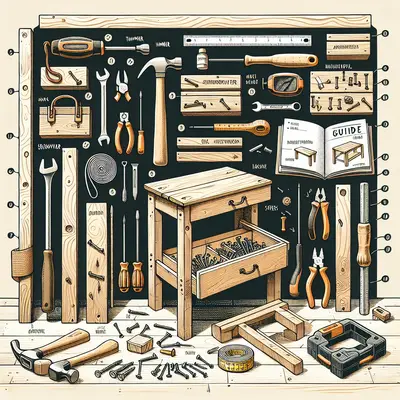
A smooth DIY repair starts with preparation. Keep a small, dedicated kit for common household jobs: a claw hammer, Phillips and flathead screwdrivers, adjustable wrench, pliers, utility knife, tape measure, stud finder, a small level, assorted screws and wall anchors, painter’s tape, sandpaper (120–220 grit), a caulk gun, and a basic drill/driver with bits. Having everything in one place prevents “half-done” projects.
Safety should be automatic, not an afterthought. Wear eye protection when drilling, cutting, or working overhead; use gloves when handling sharp metal or broken materials; and shut off power and water at the source before touching anything electrical or plumbing-related. A non-contact voltage tester for electrical work and a bucket and towels for plumbing jobs can save you from unpleasant surprises.
Know your limits so you don’t turn a manageable problem into an emergency. Anything involving the main electrical panel, gas lines, structural framing, or major roof work is usually best left to pros. When in doubt, research the job from multiple sources, check your local building codes if applicable, and don’t hesitate to stop if something doesn’t look like what you expected. Good DIY is as much about choosing the right jobs as it is about doing them well.
Step-by-Step Repair #1: Silencing a Dripping Faucet for Good
A dripping faucet wastes water and money and can stain sinks over time. Most drip issues on standard faucets come from worn internal parts that are replaceable with simple hand tools. Instead of cranking the handle harder, fix the cause.
Step 1: Shut off the water and plug the drain
Find the shutoff valves under the sink (one for hot, one for cold) and turn them clockwise until they stop. Open the faucet to confirm the water is off. Put a sink stopper or a rag in the drain so small screws or parts don’t disappear.
Step 2: Identify your faucet type and gather parts
Look at your faucet: common types are compression (separate hot/cold, turn multiple times), cartridge, ball, and ceramic disc. Search the brand and model (often stamped on the faucet base) to find the correct replacement cartridge or washer kit. Many hardware stores have “faucet repair walls” where you can match your parts.
Step 3: Disassemble the handle and body
Pry off decorative caps with a small flat screwdriver, then remove the handle screw and pull off the handle. Underneath, remove any retaining nuts or clips using an adjustable wrench or pliers. Work slowly and note the order of parts—taking photos as you go makes reassembly easier.
Step 4: Replace worn components and clean sealing surfaces
For compression faucets, replace rubber washers and O-rings. For cartridge types, swap in a new cartridge that matches the old one. Wipe mineral deposits off metal surfaces with vinegar or a descaling product so seals sit flat. Do not overtighten new parts; snug and secure is enough.
Step 5: Reassemble, test, and check for seepage
Put everything back in the reverse order. Turn the under-sink valves back on slowly while watching for leaks under the sink and around the faucet base. Run both hot and cold lines to flush air. If the faucet still drips, recheck that the new parts are fully seated and that you haven’t mixed hot/cold sides when reassembling.
Step-by-Step Repair #2: Fixing a Wobbly Door That Won’t Latch
A door that sticks, rubs, or won’t latch is more than annoying; it can strain hinges, damage the frame, and get worse over time. Many people jump straight to planing the door edge, but often the real fix is in the hinges and screws.
Step 1: Find the problem point
Close the door slowly and see where it rubs or misaligns. Look at the gap around the door. A tight gap near the top hinge side often means the top hinge is loose or sagging. If the latch won’t catch, check how the latch lines up with the strike plate on the frame.
Step 2: Tighten and upgrade hinge screws
Open the door and examine each hinge. Tighten all screws into the door and into the frame. If any screw spins without grabbing, replace it with a longer wood screw (often 2.5–3 inches) so it bites into the wall stud behind the frame, especially in the top hinge. This alone can pull a sagging door back into alignment.
Step 3: Adjust the strike plate if the latch is off
If the latch hits above or below the hole in the strike plate, mark the correct spot with a pencil by closing the door until the latch just touches. You can slightly enlarge the opening with a metal file or chisel and then move the strike plate up or down a few millimeters. Reattach with screws and test the latch action.
Step 4: Address minor rubbing without heavy cutting
If only a small section of the door rubs after hinge and strike adjustments, mark the contact area, remove the door from the hinges, and lightly sand or plane just that section. Remove as little material as possible. Rehang the door and check again. Repeat small adjustments rather than making one big cut.
Step 5: Secure and finish the repair
Once the door swings freely and latches smoothly, check that all hinge screws are firmly anchored and that nothing has loosened in the trim or frame. If you exposed bare wood during sanding or planing, touch it up with paint or sealer to prevent swelling and future sticking.
Step-by-Step Repair #3: Patching a Wall Hole So It Disappears
Wall patches often look obvious because of poor prep, wrong materials, or rushed finishing. With a bit of patience, you can create a patch that blends in, holds up, and doesn’t flash through paint.
Step 1: Match the repair method to hole size
Small nail holes and picture hook holes can be filled with lightweight spackle. Medium holes (say, up to a couple of inches) do better with a self-adhesive patch and joint compound. Larger holes usually require a backing support and new drywall piece. Choose the method that matches your damage instead of forcing one fix on all sizes.
Step 2: Clean and shape the damaged area
Use a utility knife to cut away loose, crumbling drywall or flaking paint. Slightly bevel the edges of the hole so the compound has something to key into. Dust off the area with a dry brush or cloth so you’re not smearing dust into your patch.
Step 3: Install backing or patch (for medium/large holes)
For larger holes, screw a small piece of thin wood (like a paint stir stick) behind the hole using drywall screws, then screw a cut-to-fit piece of drywall into that backing. For medium holes, stick a metal or fiberglass mesh patch over the opening, centered and smooth. The goal is a stable base that won’t flex.
Step 4: Apply compound in thin, controlled layers
Spread joint compound or spackle with a putty knife, pressing it into the hole and feathering the edges onto surrounding wall. Thin layers are better than thick blobs—they dry faster and crack less. Let each layer dry completely per the product instructions, then lightly sand with fine-grit sandpaper before adding the next.
Step 5: Prime, then paint for a seamless blend
Once your final layer is smooth and level with the wall, wipe off sanding dust and apply a primer over the patch area. Primer prevents the patch from showing through as a different sheen or color. After the primer dries, paint to match the existing wall. If you’re touching up a small spot, feather the paint slightly into the surrounding area rather than stopping at a hard edge.
Step-by-Step Repair #4: Re-Caulking a Tub or Shower to Stop Hidden Leaks
Cracked or moldy caulk around tubs and showers doesn’t just look bad—it can let water sneak into walls and floors, causing rot and expensive structural repairs. The key is removing the old caulk fully and using the right product in the right way.
Step 1: Remove old caulk completely
Use a caulk removal tool or a sharp utility knife to cut along both edges of the old bead. Gently pull it out in strips. Scrape away any remaining residue until the surfaces (tub edge, tile, or wall) are clean. This step takes time but determines how long your new caulk will last.
Step 2: Clean and dry the area thoroughly
Wipe the joint with a cleaner that cuts soap scum, then follow up with isopropyl alcohol to remove remaining residue and help the new caulk stick. Let the area dry completely—ideally overnight—because trapped moisture can cause poor adhesion and mold behind the new bead.
Step 3: Choose the correct caulk
For bathrooms, use a high-quality tub and tile caulk that is waterproof and mold-resistant. 100% silicone or a siliconized acrylic labeled for bath use are typical choices. Avoid general-purpose “painter’s caulk” or anything not rated for wet areas.
Step 4: Apply a smooth, continuous bead
Cut the tip of the caulk tube at a 45-degree angle with a small opening—too big and you’ll make a mess. Load it into a caulk gun, then pull the gun along the joint in a steady motion, squeezing just enough to fill the gap. Aim for a continuous bead rather than starting and stopping repeatedly.
Step 5: Tool and cure the caulk properly
Immediately after applying, smooth the bead with a caulk tool or a damp finger, pressing it into the joint and feathering the edges. Wipe excess off surrounding surfaces before it skins over. Follow the manufacturer’s curing time before using the shower or tub; this can range from 12 to 48 hours. Rushing this step is one of the fastest ways to ruin an otherwise good job.
Step-by-Step Repair #5: Securing a Loose Towel Bar or Shelf
Loose towel bars, hooks, and lightweight shelves are usually victims of poor anchoring rather than heavy use. Fixing them the right way prevents wall damage and surprises when something (or someone) leans on them.
Step 1: Remove the fixture and inspect the wall
Take off the loose towel bar or shelf, including its mounting brackets. Look closely at the screw holes. If the screws pulled out of plain drywall with no stud behind, you’ll likely see enlarged or crumbled holes. If there’s a stud but the wood is stripped, the holes may be smooth and oversized.
Step 2: Find studs and plan new anchor points
Use a stud finder to locate studs near the mounting area. If possible, shift the brackets slightly so at least one screw on each bracket lands in solid wood. Mark those locations. For screws that must go into hollow drywall, plan to use appropriate wall anchors rated for the weight.
Step 3: Repair badly damaged holes
For destroyed drywall holes you won’t reuse, fill them with joint compound or a patch, then sand and paint later. If you need to reuse a slightly enlarged stud hole, you can install a wooden toothpick or dowel coated in wood glue into the old hole, let it dry, then drive a new screw into that reinforced material.
Step 4: Install proper anchors or drive into studs
For drywall-only spots, drill a pilot hole if required by the wall anchor type, then tap in the anchor flush with the wall. For stud locations, drill a small pilot hole and use appropriately long wood screws. Follow the fixture manufacturer’s instructions for screw size and anchor type when provided.
Step 5: Reattach, test, and set realistic limits
Mount the brackets securely, then attach the bar or shelf. Test by gently pulling and pushing—not yanking—to confirm it doesn’t wobble. Be realistic about weight limits, especially on hollow-wall anchors. Use solid stud mounting for anything that might regularly support heavy loads or be leaned on.
Conclusion
Sturdy, long-lasting home repairs come from three things: understanding the root cause of the problem, choosing the right materials, and following a clear process from prep to finish. By taking the time to shut things off properly, clean and prep surfaces, use hardware suited to the job, and respect drying or curing times, you avoid the cycle of repeating the same fixes.
Each of these repairs—quieting a faucet, aligning a door, patching walls, sealing a tub, and anchoring hardware—builds skills you’ll use again and again. Start with one, take it step by step, and you’ll gain the confidence to tackle more complex projects without guessing or cutting corners.
Sources
- [U.S. Environmental Protection Agency – Fix a Leak](https://www.epa.gov/watersense/fix-leak-week) - Explains the impact of household leaks, including dripping faucets, and why fixing them matters
- [Family Handyman – How to Fix a Leaky Faucet](https://www.familyhandyman.com/project/how-to-fix-a-leaky-faucet/) - Detailed faucet repair guidance and component identification
- [This Old House – How to Repair a Door](https://www.thisoldhouse.com/doors/21015184/how-to-fix-a-sticking-door) - Covers diagnosing and correcting common door alignment and sticking issues
- [USG (United States Gypsum) – Wall Repair Guide](https://www.usg.com/content/usgcom/en/products-solutions/products/patching-repair/patching-compounds/spackle.html) - Manufacturer information on patching compounds and proper application techniques
- [Centers for Disease Control and Prevention – Mold Prevention](https://www.cdc.gov/mold/dampness_facts.htm) - Background on moisture control and why proper caulking and sealing in bathrooms is important
Key Takeaway
The most important thing to remember from this article is that this information can change how you think about Home Repairs.