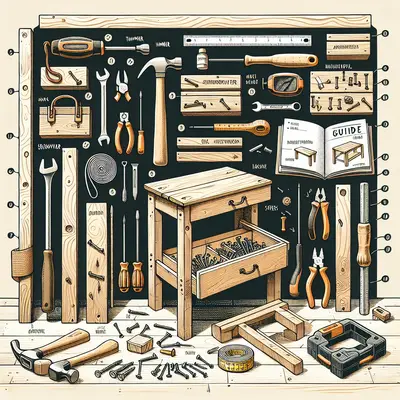
Every home has a “we’ll fix that later” list: a door that sticks, a running toilet, a mystery wall crack, a wobbly cabinet, a dripping faucet. Letting them pile up costs you time, comfort, and sometimes real money. This guide walks through five common home repairs with clear, step‑by‑step instructions you can actually follow in an evening or weekend afternoon.
Each repair focuses on simple tools, affordable materials, and safety basics—so you can build real confidence, not just a bigger to‑do list.
1. Stop a Running Toilet Without Calling a Plumber
A running toilet can waste hundreds of gallons of water per day and quietly inflate your water bill. The good news: most causes are inside the tank and fixable with basic parts from any hardware store.
Tools & materials
- Adjustable wrench (optional)
- Sponge or towel
- Replacement flapper and/or fill valve (if needed)
Step‑by‑step
- Lift the tank lid and observe.
Gently lift the lid and set it somewhere safe. Watch what happens after you flush: does water continually trickle into the bowl, or does the fill valve keep running?
- Check the flapper seal.
The rubber flapper at the bottom of the tank should sit flat over the flush valve. Push it down with a finger. If the running stops, the flapper is likely warped, dirty, or worn out.
- Adjust the chain length.
If the chain to the flush lever is too tight, it can prevent the flapper from sealing. There should be a small amount of slack when the flapper is closed. Reclip the chain a link or two lower if it’s too tight.
- Clean or replace the flapper.
Turn off the water supply valve behind the toilet and flush to drain most of the water. Wipe away mineral buildup on the flapper and valve seat. If the flapper is cracked, stiff, or misshapen, unclip it and install a matching replacement.
- Check the water level and float.
Turn the water back on. Look for a water level line inside the tank. If water rises above it and spills into the overflow tube, adjust the float (turn the screw on older ball‑float types or slide the clip on newer column floats) so the water stops about 1 inch below the top of the overflow tube.
- Test for silent leaks.
Add a few drops of food coloring to the tank and wait 15–20 minutes without flushing. If the color appears in the bowl, you still have a leak at the flapper or flush valve and may need a new flush valve assembly.
- Replace the fill valve if needed.
If the valve keeps running or won’t shut off, replace it as a unit: turn off water, disconnect the supply line, remove the old valve from the tank bottom, install the new one per manufacturer instructions, and reconnect.
2. Quiet a Squeaky or Sticking Interior Door
Squeaky, dragging, or stubborn doors are annoying—and usually fixable with a few adjustments. Before you think about replacing the door, address the hinges and alignment.
Tools & materials
- Phillips or flathead screwdriver
- Hammer and nail (or awl)
- Lubricant: silicone spray or petroleum jelly
- Wood shims or cardboard
- Utility knife (optional)
- Sandpaper or hand plane (for severe rubbing)
Step‑by‑step
- Identify the problem area.
Open and close the door slowly. Listen for squeaks and look for rubbing spots on the floor, threshold, or frame. Check the gap around the door—ideally it should be even all the way around.
- Tighten loose hinge screws.
With the door mostly closed, use a screwdriver to snug all hinge screws on both the door and frame. Loose hinges let the door sag, causing rubbing and sticking.
- Lubricate the hinges.
Pull one hinge pin at a time by tapping it up with a nail and hammer if needed. Wipe off old grime, apply a light coating of lubricant or petroleum jelly, reinsert the pin, and wipe away excess. Open and close the door a few times to distribute the lubricant.
- Fix minor rubbing with hinge shims.
If the door rubs at the top or side, you can often realign it by “shimming” a hinge. Loosen the hinge screws slightly on the side you want to move away from the frame, insert a thin piece of cardboard or shim behind the hinge leaf, and retighten. Test and adjust until the rub disappears or is reduced.
- Address serious rubbing at the floor or latch side.
If the bottom edge drags on carpet or flooring, first confirm the hinges are tight and the frame plumb. If it still drags, mark the rub area, remove the door from the hinges, and sand or plane a small amount from the bottom or latch side. Work slowly, test‑fit after each pass, and seal any freshly cut wood with paint or finish to prevent moisture issues.
- Check and adjust the strike plate.
If the latch doesn’t click easily into the strike plate, loosen the plate screws and shift the plate slightly until the latch lines up. For stubborn cases, you can file the strike plate opening a bit wider.
3. Patch a Nail Hole or Small Wall Ding So It Actually Disappears
Random nail holes and small dents can make a room look tired. Done right, patching takes only a few minutes of active work and makes painted walls look nearly new.
Tools & materials
- Lightweight spackle or joint compound
- Putty knife (2–4 inch)
- Fine‑grit sandpaper or sanding sponge (120–220 grit)
- Damp sponge or cloth
- Matching wall paint and brush/roller
- Painter’s tape (optional)
Step‑by‑step
- Clean the area.
Wipe away dust, cobwebs, and loose paint with a damp cloth. Let it dry. For greasy areas (like near a kitchen), use a mild cleaner and then rinse.
- Prep the hole or ding.
For popped nail holes or dings with loose edges, lightly scrape around the area with your putty knife to remove flaking paint or debris. If the hole is deeper than a typical nail hole, undercut the edges slightly so the patch material can grab.
- Apply spackle in thin layers.
Scoop a small amount of spackle onto the putty knife and press it firmly into the hole or dent. Scrape off the excess so it’s slightly raised above the wall surface—this will shrink as it dries. For deeper damage, let the first layer dry then apply a second thin layer.
- Feather the edges.
Before it fully dries, swipe your knife over a wider area (2–3 inches beyond the patch) to feather the edges thin. This makes the repair blend smoothly with the surrounding wall once painted.
- Sand and smooth.
After the compound is completely dry (check the product label), lightly sand the patch until it feels smooth and level with the wall. Wipe away sanding dust with a damp cloth or tack cloth.
- Prime if needed, then paint.
For dark paint colors, glossy finishes, or larger patches, spot‑prime the repair before painting. Once dry, paint the area with your wall color, feathering the edges. For best blending, paint from a natural break (corner, trim, or ceiling line) instead of just dabbing the patch area.
4. Secure a Loose Kitchen Cabinet Door
Loose or sagging cabinet doors are more than cosmetic—they can strain hinges and eventually cause cracks or failures. Most of the time, you can fix them with simple adjustments and anchor repairs.
Tools & materials
- Phillips screwdriver
- Toothpicks or wooden matchsticks
- Wood glue
- Utility knife or flush‑cut saw (optional)
- Small level (optional)
Step‑by‑step
- Inspect the hinges while the door is closed.
Look at the gaps between doors and between door and cabinet. A consistent gap usually means you just need hinge adjustments, not major repairs. Identify which corner sags or rubs.
- Tighten all hinge screws.
Open the door and snug every screw on both the door and cabinet side of each hinge. Often, this alone will fix a sagging or misaligned door.
- Adjust European (concealed) hinges.
Many modern cabinets use concealed hinges with small adjustment screws. One screw typically adjusts in/out (depth), another moves the door left/right, and sometimes a third adjusts up/down. Turn adjustment screws in small increments, closing the door to check progress after each tweak.
- Repair stripped screw holes.
If a screw just spins and won’t tighten, the hole is stripped. Remove the screw, then:
- Dip wooden toothpicks or matchsticks in wood glue.
- Pack them tightly into the screw hole.
- Snap or cut them off flush with the surface.
- Let the glue dry (follow the product’s instructions).
- Reinsert the screw—this time it should bite firmly.
- Check alignment and tweak.
Once all screws are tight and holes are solid, fine‑tune the hinge adjustments until the door hangs straight and closes cleanly without rubbing. Use a small level on the top edge of the door if needed.
- Address soft‑closing issues.
If your hinge has a built‑in soft‑close damper that’s sticking or too strong, look for a small toggle or screw on the hinge arm to adjust or disable it. This can help doors close smoothly without slamming or bouncing open.
5. Fix a Dripping Bathroom Faucet (Single‑Handle Cartridge Type)
A dripping faucet wastes water and can stain sinks over time. Most modern single‑handle bathroom faucets use a cartridge that can be cleaned or replaced with basic tools.
Tools & materials
- Allen (hex) wrench set or screwdriver (depending on handle type)
- Adjustable wrench or channel‑lock pliers
- Replacement cartridge and/or O‑rings (match manufacturer/model)
- Plumber’s grease
- Old towel or rag
- Cup or small bucket
Step‑by‑step
- Turn off the water supply.
Look under the sink for the hot and cold shutoff valves and turn them clockwise to close. Open the faucet to relieve pressure and confirm water is off.
- Plug the drain.
Use the sink stopper or a rag to cover the drain opening so you don’t lose screws or small parts down the drain.
- Remove the faucet handle.
Look for a decorative cap or small set screw on the handle. Pry the cap gently with a small flathead screwdriver if present. Use the correct Allen wrench or screwdriver to loosen the set screw, then lift off the handle.
- Expose and remove the cartridge.
Under the handle, you’ll typically see a decorative cover and a retaining nut or clip. Remove the cover, then use an adjustable wrench or pliers to loosen and remove the nut. Carefully pull the cartridge straight up—rock it gently if mineral buildup is holding it in place.
- Inspect and clean or replace.
Examine the cartridge and O‑rings for cracks, deformation, or mineral deposits. If the cartridge looks worn, replace it with an identical one (bring the old one to the store for a match). If it looks sound, soak it briefly in a vinegar solution and gently scrub off mineral buildup.
- Lubricate and reinstall.
Apply a thin layer of plumber’s grease to O‑rings and rubber seals. Insert the cartridge in the same orientation as before (many have alignment tabs). Reinstall the retaining nut or clip and snug it—don’t overtighten.
- Reassemble and test.
Put the handle and cap back on and tighten the set screw. Remove the drain plug. Slowly turn the shutoff valves back on, then run the faucet, checking for leaks at the spout and around the handle. If dripping persists, recheck that the correct cartridge is installed and properly seated.
Conclusion
Most “small” home issues don’t stay small: a drip becomes a stain, a loose screw becomes a broken hinge, a squeak becomes a grind. With a few tools and some methodical steps, you can knock out these common repairs and keep your home in better shape year‑round.
Start with the problem that bugs you most—fix the running toilet, the worst squeaky door, or the most obvious wall ding. Each repair builds skills and confidence, making the next one easier. The more you tackle now, the shorter your “later” list becomes—and the better your home works for you every day.
Sources
- [U.S. Environmental Protection Agency – Fix a Leak](https://www.epa.gov/watersense/fix-leak-week) - Details on how much water common household leaks waste and why fixing them matters
- [Energy.gov – Air Sealing Your Home](https://www.energy.gov/energysaver/weatherize/air-sealing-your-home) - Government guidance on sealing gaps and improving home comfort and efficiency (relevant to door and gap issues)
- [Family Handyman – How to Fix a Running Toilet](https://www.familyhandyman.com/project/how-to-fix-a-running-toilet/) - Step‑by‑step visuals and repair variations for different toilet internals
- [This Old House – How to Patch and Repair Drywall](https://www.thisoldhouse.com/walls/21016436/how-to-patch-and-repair-drywall) - Practical techniques for wall repairs beyond simple nail holes
- [Moen – Cartridge Replacement Help & FAQs](https://www.moen.com/customer-support/help-faq/cartridge) - Manufacturer instructions and diagrams for common faucet cartridge repairs
Key Takeaway
The most important thing to remember from this article is that this information can change how you think about Home Repairs.