If your car makes a weird noise or a warning light pops on, it’s tempting to ignore it—or panic and head straight to the shop. There’s a smarter middle ground: learn a few practical, low-risk repairs you can handle in your own garage or driveway. This guide walks you through five step-by-step fixes that build real confidence without requiring a lift, a full tool chest, or a mechanic’s certification.
These are not “internet hacks.” They’re solid, repeatable jobs that save real money, help you understand your vehicle, and make you a better judge of when you truly need a pro.
Before You Start: Safety, Tools, and When to Stop
Car repair is hands-on, but it should never be reckless. A few habits up front make every job safer and less stressful.
First, always work on a cool engine unless the procedure specifically requires warmth (like checking transmission fluid on some vehicles). Hot parts can burn skin in seconds and make plastic connectors brittle and easy to break. Park on a flat surface, set the parking brake, and use wheel chocks if you’re lifting the vehicle. Never rely on a jack alone—use quality jack stands rated for your vehicle’s weight and place them at the manufacturer’s recommended points.
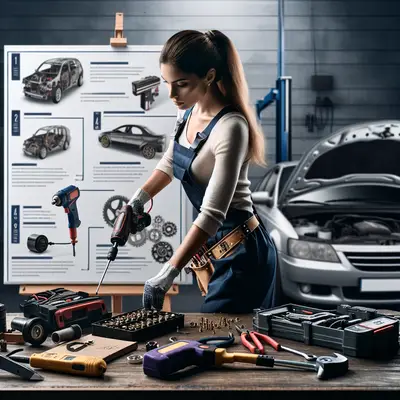
Before each repair, assemble everything you’ll need: basic socket set, screwdrivers, pliers, a torque wrench if possible, safety glasses, nitrile gloves, and shop rags. Keep your owner’s manual or a trusted repair manual/app open for torque specs, fluid types, and fuse locations. Take photos with your phone before unplugging or removing anything; you’ll thank yourself during reassembly.
Most importantly, know your limits. Stop and reassess if a step requires excessive force, exposes wiring or components you don’t understand, or doesn’t match what your manual or a trusted guide shows. It’s better to reassemble and seek help than to push through uncertainty and cause a bigger (and more expensive) problem.
Step-by-Step Tip #1: Fix a Check Engine Light with a Simple Sensor Swap
A glowing check engine light is intimidating, but many common causes are simple and DIY-friendly—especially a failed oxygen (O2) sensor or mass airflow (MAF) sensor. Replacing a sensor is often much cheaper than paying diagnostic and labor fees for an otherwise straightforward job.
Start by reading the trouble code with an OBD-II scanner (many auto parts stores will scan your car for free). Write down the code (for example, P0135 for an O2 sensor heater circuit) and search your vehicle’s service info to confirm the likely culprit. Avoid guessing: “check engine” can mean dozens of different issues.
Once you’ve identified the sensor, disconnect the negative battery terminal to prevent accidental shorts. For an O2 sensor, locate it in the exhaust (before or after the catalytic converter depending on the code). Soak the threaded area with penetrating oil and let it sit. Use an O2 sensor socket and ratchet to break it free; if it’s stubborn, apply firm, steady pressure rather than jerking.
Install the new sensor with any included anti-seize (if recommended by the manufacturer—some sensors come pre-treated). Thread it in by hand first to avoid cross-threading, then tighten to spec with a torque wrench. Reconnect the electrical connector until it clicks, reconnect the battery, and clear the code with your scanner. Drive normally for a few days; if the code doesn’t return and the car runs smoothly, your repair’s a success. If it returns, you’ll know it’s time for deeper diagnosis, not more guesswork.
Step-by-Step Tip #2: Restore Braking Power with a Careful Pad Replacement
Brake pads are consumable parts, and replacing them is one of the most impactful DIY jobs you can do. If you hear squealing when you brake, feel grinding, or notice longer stopping distances, your pads might be due. With attention to detail and proper support, pad replacement is manageable for a motivated DIYer.
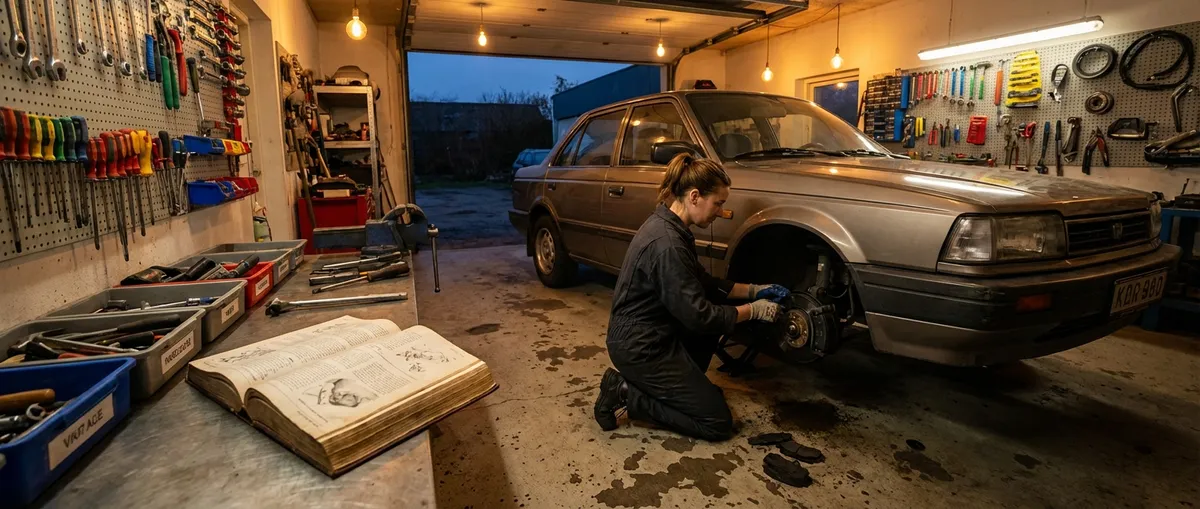
Start by loosening the lug nuts (but don’t remove them yet) with the car on the ground. Jack up the vehicle at the recommended lift point and support it securely on jack stands. Remove the wheel and turn the steering wheel slightly to give yourself better access to the caliper on that side. Take a clear photo of the caliper, pads, and hardware so you can match it during reassembly.
Locate the caliper bolts or slide pins and remove them, then carefully lift the caliper away from the rotor. Don’t let it hang by the brake hose—support it with a bungee cord or rest it securely. Slide out the old pads and inspect the rotor. If it’s deeply grooved, rusty, or significantly worn, plan for rotor replacement as well (often done at the same time).
Use a C-clamp or disk brake tool to slowly push the caliper piston back into its bore, watching your brake fluid reservoir to ensure it doesn’t overflow. Install any new hardware (clips, shims, or anti-rattle springs) from your pad kit, then slide in the new pads in the same orientation as the originals. Reinstall the caliper, torque the bolts to spec, and reinstall the wheel. After lowering the car, pump the brake pedal several times before driving to seat the pads and restore pedal firmness. Perform gentle stops for the first 100–200 miles to bed in the new pads and avoid glazing.
Step-by-Step Tip #3: Cure a Rough Idle with a Throttle Body and MAF Cleaning
If your car idles roughly, hesitates, or feels sluggish off the line—but doesn’t show major codes—carbon buildup in the throttle body or a dirty MAF sensor could be to blame. Cleaning these carefully can restore smooth performance without replacing parts.
First, disconnect the negative battery terminal. Locate the air intake tube and follow it to the throttle body. Loosen the hose clamps and remove the tube, noting any small vacuum or breather hoses you detach. With the throttle body exposed, have a helper gently press the accelerator (engine off) or manually move the throttle plate linkage to open the plate.
Spray a dedicated throttle body cleaner onto a clean, lint-free cloth (never directly into the intake in large amounts) and gently wipe away black carbon deposits from the throttle plate and bore. Avoid forcing anything into sensors or small ports. Let it air dry completely. For the MAF sensor, disconnect its wiring harness and remove it from the housing. Use only MAF-specific cleaner—spray the sensing elements directly without touching them, then let them dry fully before reinstalling.
Reassemble the intake tube and reconnect any hoses and the battery. Start the engine; it may idle high or slightly rough for a minute as the computer recalibrates. After a short drive cycle, many people notice smoother idle, better throttle response, and sometimes improved fuel economy. If the symptoms remain unchanged, you’ve at least ruled out a common cause before considering more complex diagnostics.
Step-by-Step Tip #4: Stop a Battery Drain with a Basic Electrical Check
A dead battery every few days isn’t just inconvenient—it can shorten battery life and leave you stranded. While deep electrical diagnostics are best left to pros, you can track down and fix a few common culprits yourself: loose terminals, corrosion, and obvious parasitic drains.
Begin with a visual inspection of the battery. Look for bulging sides, cracks, or leaking fluid; if you see any of these, replace the battery instead of trying to revive it. Check the terminals for greenish or white crust—this corrosion increases resistance and weakens charging. With the engine off, remove the negative cable first, then the positive. Clean the posts and inside of the terminals with a battery brush or a mix of baking soda and water, then rinse and dry.
Reattach the terminals (positive first, then negative) and tighten them snugly—loose connections can mimic a bad battery. If the car still drains, check for obvious things staying on: glove box lights, trunk lights, aftermarket accessories, or dash cams that never shut down. Some modern cars require a “sleep” period after shutting off; don’t mistake normal delayed shutdown for a drain.
If you have a multimeter and are comfortable using it, you can perform a basic parasitic draw test by measuring current draw at the battery with the car off and fully “asleep,” then pulling fuses one at a time to see when the draw drops. When you identify the circuit causing the drain, decide whether it’s something you can disconnect (like an added accessory) or if it’s time for a professional to dig deeper. Either way, you’ve limited the scope and saved diagnostic time.
Step-by-Step Tip #5: Bring Back Night Visibility with Proper Headlight Restoration
Cloudy, yellowed headlights aren’t just ugly—they severely cut down the light reaching the road. Restoring them is one of the simplest, highest-impact DIY “repairs” you can do, and it dramatically improves nighttime safety.
Start by washing the headlight lenses with soap and water to remove surface dirt. Dry them thoroughly, then tape off the surrounding paint with painter’s tape to protect your bumper and fenders. Most restoration kits include multiple grits of sandpaper and a polishing compound; read the instructions carefully before starting, as the order and required water usage vary by kit.
Usually, you’ll begin with the coarsest grit, sanding in a horizontal motion with light, even pressure. Keep the surface wet if the kit instructs you to wet sand. You’ll see a cloudy layer forming—that’s oxidized plastic coming off. Progress through the finer grits, changing your sanding direction (horizontal, then vertical) to even out the surface. Take your time; rushing this step leaves visible scratches.
Once sanding is complete, dry the lens and apply the polishing compound with a foam pad or microfiber cloth, working it in until the haziness clears. Buff off the residue and inspect your work; you should see a significant improvement in clarity. Many modern kits include a UV sealant—apply this carefully, as it helps prevent the lens from yellowing again. Allow the sealant to cure as directed before exposing the car to rain or washing it. Done right, the lights will look dramatically better and perform closer to new.
Conclusion
You don’t need a full shop or advanced tools to handle meaningful auto repairs. By focusing on straightforward, repeatable jobs—like sensor replacements, brake pad swaps, careful cleaning of key components, basic electrical checks, and headlight restoration—you can cut costs, extend your car’s life, and make smarter decisions about when to call in a pro.
The more you work with your own vehicle, the better you’ll understand its sounds, behaviors, and weak spots. That knowledge is power: it helps you avoid unnecessary upsells, ask better questions at the shop, and keep your car running safely for years. Start with one of these repairs, document your process, and build your own confidence one job at a time.
Sources
- U.S. Department of Energy – Fuel Economy: Keeping Your Car in Shape - Explains how basic maintenance (like sensors and filters) affects performance and efficiency
- NHTSA – Brake Safety Awareness - Federal safety information on brake systems and why proper maintenance matters
- AAA – Car Battery Care and Replacement - Guidance on diagnosing and caring for automotive batteries
- YourMechanic – How to Clean a Throttle Body - Step-by-step throttle body cleaning walkthrough
- Consumer Reports – How to Restore Cloudy Headlights - Independent advice and testing of headlight restoration methods
Key Takeaway
The most important thing to remember from this article is that this information can change how you think about Auto Repair.