If your car’s making noises, lighting up the dash, or just feeling “off,” you don’t always have to head straight to the shop. Plenty of common issues are fixable in your driveway with basic tools, a little patience, and the right steps. This guide walks through five practical, step‑by‑step repairs that DIY enthusiasts can handle safely—saving money, building confidence, and keeping your vehicle on the road longer.
Gear Up First: Safety and Tools That Actually Matter
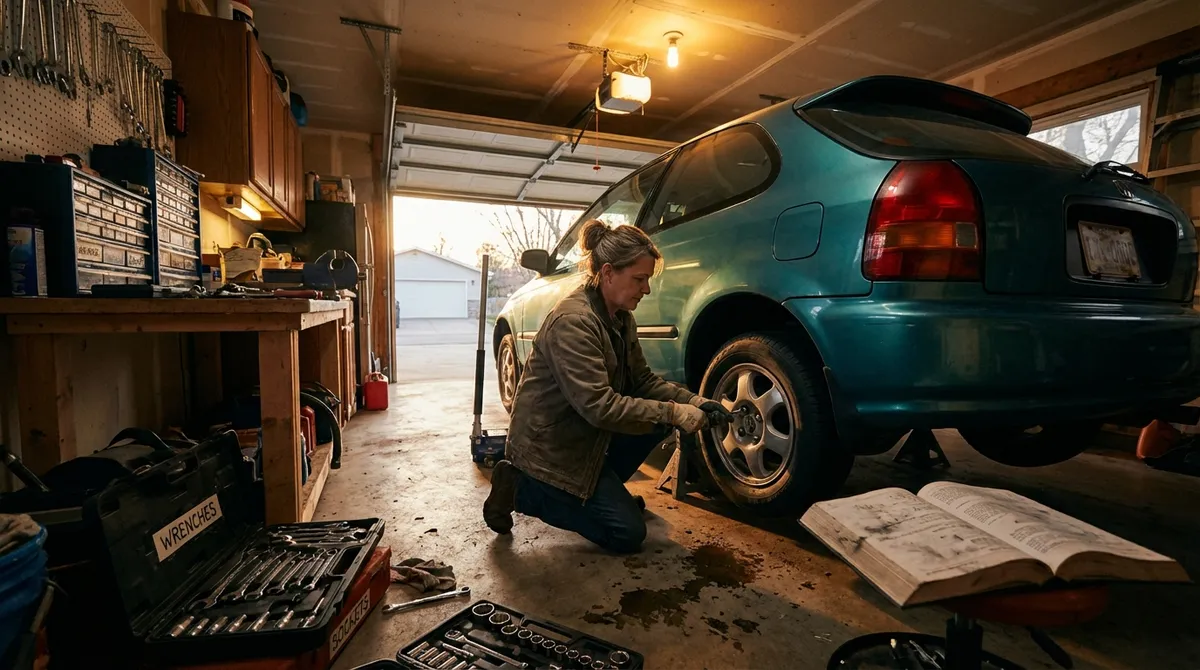
Before you touch a single bolt, set yourself up to work safely and efficiently. Start by parking on a flat, solid surface, engaging the parking brake, and using wheel chocks if you’re lifting the car. Never rely on a jack alone—always support the vehicle with rated jack stands under proper lift points outlined in your owner’s manual.
Build a basic tool kit that covers most DIY jobs: a metric and SAE socket set, combination wrenches, screwdrivers, pliers (including needle‑nose and locking), a torque wrench, and a breaker bar. Add consumables that make repairs smoother: nitrile gloves, shop rags, penetrating oil, brake cleaner, dielectric grease, and anti‑seize compound. A basic OBD‑II scanner is worth the small investment—it lets you read engine codes and verify that your fix actually solved the problem. Finally, keep your owner’s manual handy and reference a reputable repair guide or database for torque specs and fluid capacities. Preparation turns a frustrating afternoon into a satisfying one.
Step‑By‑Step Tip 1: Change Engine Oil Without Making a Mess
Regular oil changes are one of the highest‑value DIY jobs: you save money, protect your engine, and get comfortable working under the car. Begin by gathering your supplies—correct oil type and viscosity, new oil filter, drain pan, funnel, gloves, and the right size wrench or socket for the drain plug. Warm the engine for 5–10 minutes so the oil flows more easily, then shut it off and let it sit a couple of minutes before crawling underneath.
Locate the drain plug on the oil pan and position your drain pan to catch the flow. Loosen the plug carefully, holding it with your fingers until you feel the threads release, then pull it away quickly to minimize splashing. While the oil drains, remove the old filter; have a rag ready because it will also contain hot oil. Lightly coat the new filter’s rubber gasket with fresh oil and spin it on by hand until snug—no tools needed unless the manufacturer specifies. Reinstall the drain plug with a new crush washer if required, tightening to the proper torque so you don’t strip threads. Add the recommended amount of oil through the filler cap, then start the engine and check for leaks. Finally, shut it off, wait a few minutes, and verify the oil level on the dipstick, topping up if needed.
Step‑By‑Step Tip 2: Swap Worn Brake Pads Safely and Correctly
Brake pad replacement looks intimidating, but with a methodical approach it’s manageable for careful DIYers. Start by loosening the wheel lug nuts slightly while the car is still on the ground. Jack up the vehicle at the correct lift point, support it with jack stands, and remove the wheel. Inspect the brake assembly: you should see the caliper, rotor, and pads. Take a quick photo with your phone before disassembly so you can reference how everything is oriented.
Remove the caliper bolts (usually on the back side) and carefully slide the caliper off the rotor. Support it with a wire hanger or bungee cord so it doesn’t hang by the brake hose. Slide the old pads out of the caliper bracket and note any shims or clips you’ll need to transfer. Use brake cleaner to remove dust from the rotor and bracket—avoid breathing the dust directly. With a C‑clamp or brake caliper tool, slowly compress the caliper piston back into its bore to make space for the new, thicker pads. Apply a thin layer of high‑temp brake grease to the pad backing plates and slide the new pads into place. Reinstall the caliper, torque the bolts to spec, and reinstall the wheel. Before driving, pump the brake pedal several times until it feels firm to seat the pads against the rotors.
Step‑By‑Step Tip 3: Replace Spark Plugs for Smoother Performance
Old or fouled spark plugs can cause rough idling, poor fuel economy, and hard starts—and replacing them is often straightforward with the right strategy. Only work on a cold engine to avoid burns and damaging threads in a hot cylinder head. Disconnect the negative battery terminal for added safety, then remove any plastic engine covers blocking access to the ignition coils or plug wires. Work on one cylinder at a time so you don’t mix up coil or wire locations.
Unplug the ignition coil connector or gently twist and pull the spark plug wire boot free. Remove the coil hold‑down bolt if present and pull the coil straight out. Using a spark plug socket with an extension, loosen and remove the old plug carefully, keeping it straight to avoid damaging threads. Compare the new plug to the old one to confirm length and design match, and check the recommended gap—many modern plugs come pre‑gapped, but verify against your manual. Thread the new plug in by hand first to prevent cross‑threading, then use a torque wrench to tighten it to the specified value; overtightening can strip the head, while undertightening can cause misfires. Reinstall the coil or wire, reconnect the connector, and move to the next cylinder. When finished, reconnect the battery and start the engine, listening for any misfires or abnormal sounds.
Step‑By‑Step Tip 4: Diagnose and Fix a Check Engine Light with an OBD‑II Scanner
The check engine light doesn’t have to mean instant panic—or an immediate shop visit. With a basic OBD‑II scanner, you can pull codes and often solve simple issues yourself. Plug the scanner into the OBD‑II port, usually located under the dashboard near the steering column. Turn the key to the “On” position without starting the engine and follow the scanner’s prompts to read stored and pending codes. Write down the exact code numbers (like P0301 or P0420), not just the short description the scanner displays.
Look up the codes in your vehicle’s service information or on reputable sites and forums, and focus on common, easy checks first. For example, an evaporative emissions code might be caused by a loose or damaged gas cap; misfire codes may be linked to worn spark plugs or ignition coils. Inspect obvious components visually for damage, loose connections, or cracks. If you perform a repair—such as tightening the gas cap or replacing a coil—use the scanner to clear the codes, then drive the vehicle for a few days to see if the light stays off. Avoid randomly replacing parts just because they’re mentioned in a code description; instead, think of the code as a starting point directing you to a system that needs further inspection.
Step‑By‑Step Tip 5: Restore Headlight Clarity for Safer Night Driving
Cloudy, yellowed headlights reduce visibility and make nighttime driving riskier, but you can often restore them with a DIY kit instead of replacing assemblies. Start by washing the headlights with car soap and water to remove dirt, then dry thoroughly. Mask around each headlight with painter’s tape to protect the paint and trim. Most restoration kits include multiple grits of sandpaper—always follow the included instructions, but the general idea is to gradually smooth the surface.
Begin with the coarsest grit recommended, keeping the lens and sandpaper wet while you sand in consistent, overlapping motions. You’ll likely see a milky residue; this is oxidized plastic coming off. Wipe clean, then repeat with finer grits to remove scratches from the previous stage. Once you’ve finished sanding, use the polishing compound included in the kit on a foam pad or microfiber cloth, buffing until the lens looks clear and glossy. The final—and critical—step is applying a UV sealant or clear coat to prevent the plastic from quickly re‑oxidizing. Allow the sealant to cure as directed before exposing the headlights to water or driving in rain.
Conclusion
Tackling your own auto repairs doesn’t mean diving into engine rebuilds or advanced diagnostics on day one. Start with jobs like oil changes, brake pad swaps, spark plug replacement, basic code reading, and headlight restoration. These projects build skills, save real money, and give you a better understanding of how your car works—so you’re more confident whether you’re turning the wrench yourself or talking to a professional. With solid information, basic tools, and respect for safety, your driveway can double as a practical, productive mini‑garage.
Sources
- [National Highway Traffic Safety Administration (NHTSA)](https://www.nhtsa.gov/vehicle-maintenance/vehicle-safety-maintenance) - Official guidance on basic vehicle maintenance and safety considerations
- [AAA – Car Care Tips](https://exchange.aaa.com/automotive/automotive-tips/) - Practical articles on routine maintenance like oil changes, brakes, and lights
- [U.S. Department of Energy – Fuel Economy Guide](https://www.fueleconomy.gov/feg/maintain.jsp) - Explains how maintenance items (spark plugs, air filters, tire pressure) affect performance and efficiency
- [YourMechanic – OBD-II Codes Explained](https://www.yourmechanic.com/article/obd-ii-codes) - Clear breakdown of common OBD‑II codes and what systems they relate to
- [University of Nebraska–Lincoln Extension – Vehicle Maintenance Basics (PDF)](https://extensionpublications.unl.edu/assets/pdf/ec706.pdf) - Educational overview of fundamental car systems and DIY care tips
Key Takeaway
The most important thing to remember from this article is that this information can change how you think about Auto Repair.