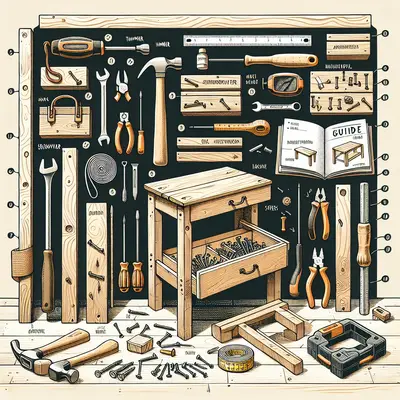
If you own or rent a home long enough, something will leak, crack, squeak, or just stop working. Calling a pro every time adds up fast—and often, you don’t need to. With a few basic tools and some clear steps, you can knock out a surprising number of common repairs yourself and feel a lot more in control of your space.
Below are five practical, step‑by‑step fixes that don’t require advanced skills, just patience, safety, and a willingness to learn.
1. Silence a Dripping Faucet (Without Replacing the Whole Thing)
A dripping faucet wastes water and quietly raises your bill. In many cases, the issue is just a worn-out washer or cartridge.
What you’ll need:
Adjustable wrench, screwdriver, replacement washer or cartridge (matched to your faucet brand/type), plumber’s grease, towel or rag.
Step-by-step:
Shut off the water supply
Look under the sink for the shutoff valves and turn them clockwise. Test the faucet to confirm the water is fully off.
Plug the drain
Use the built-in stopper or a rag so you don’t lose tiny screws or parts down the drain.
Remove the handle
Pry off the decorative cap (if present), then use a screwdriver or hex key to remove the screw holding the handle. Gently lift the handle off.
Expose and remove the cartridge or stem
Unscrew any retaining nut with an adjustable wrench. Pull the cartridge or stem straight out. Take a photo so you know how it goes back in.
Inspect and replace the worn parts
For compression faucets, replace the rubber washer and O-ring on the stem. For cartridge faucets, replace the entire cartridge with an identical model. Lightly coat O‑rings with plumber’s grease.
Reassemble in reverse order
Insert the new parts, tighten the retaining nut (snug, not over-tight), reinstall the handle, and replace the cap.
Turn the water back on slowly
Open the shutoff valves, then test the faucet. The drip should be gone. If not, double-check that parts are fully seated and matched to your faucet type.
2. Fix a Running Toilet Before It Wrecks Your Water Bill
A constantly running toilet is usually a problem with the flapper, fill valve, or chain adjustment. Most of these fixes are inexpensive and tool-light.
What you’ll need:
Replacement flapper or universal toilet repair kit, adjustable wrench or pliers, towel.
Step-by-step:
Remove the tank lid and observe
Flush the toilet with the lid off and watch what happens. Is water continuously flowing into the bowl? Is the water level too high and spilling into the overflow tube?
Check the flapper first
If the flapper (the rubber piece at the bottom) looks warped, brittle, or doesn’t seal firmly, it’s likely the culprit. Turn off the water at the shutoff valve behind the toilet and flush to empty most of the water.
Replace the flapper
Unhook the old flapper from the overflow tube and chain. Install the new one according to the package instructions. Adjust the chain so it has a tiny bit of slack but doesn’t get stuck under the flapper.
Adjust the water level
Turn the water back on and let the tank fill. If the water rises above the “fill line” stamped inside the tank, adjust the float: - For a float cup: Turn the adjustment screw or squeeze the clip and slide the float down the rod. - For a float ball: Bend the float arm slightly downward to lower the water level.
Test for silent operation
Flush several times. The toilet should fill, then stop quietly, with no trickling sounds after 30–60 seconds. If it still runs, consider replacing the fill valve using a universal toilet repair kit and follow the manufacturer’s steps.
3. Patch a Small Drywall Hole Like It Never Happened
Whether it’s from a doorknob or an old wall anchor, small drywall holes are easy to repair cleanly if you follow a simple process.
What you’ll need:
Spackle or joint compound, putty knife, fine-grit sandpaper (120–220), primer, matching paint, small brush or roller, optional self-adhesive patch for larger holes (2–6 inches).
Step-by-step:
Clean and prep the area
Remove loose drywall, dust, or peeling paint around the hole. Lightly sand to create a smooth working surface.
Apply a patch for medium-size holes
For holes larger than a nail hole (like from a doorknob), stick a self-adhesive mesh patch over the opening, centered and flat.
Spread the compound
Use your putty knife to apply a thin layer of spackle or joint compound over the hole or patch, feathering the edges so it blends into the wall. Don’t overbuild—thin, even layers are easier to sand.
Let it dry completely
Follow the drying time on the container. Rushing this step is what creates lumpy repairs.
Sand smooth and repeat if needed
Lightly sand until the patch is flush and smooth. If you see low spots or edges, apply a second thin coat, let dry, and sand again.
Prime and paint
Spot-prime the patched area (unprimed compound soaks up paint and looks dull). Once dry, paint with matching wall paint, feathering the edges to blend with the surrounding area.
4. Repair a Loose Interior Door Handle Before It Strips Out
A loose door handle or knob won’t fix itself. If you tighten it early, you can avoid more expensive hardware replacement later.
What you’ll need:
Phillips or flat-head screwdriver (often both), optional Allen wrench/hex key set.
Step-by-step:
Examine both sides of the handle
Look for visible screws on one or both sides of the knob or lever. Some handles have a decorative cover (rose) that snaps over the screws.
Remove decorative covers if necessary
Gently pry off the cover with a flat-head screwdriver or by twisting it off, depending on the design. Don’t force it; look for small notches or tabs.
Tighten the mounting screws
Once the screws are exposed, snug them evenly with your screwdriver. Alternate between screws so the handle centers itself. Avoid overtightening, which can strip the screw holes.
Check for a hidden set screw
On some lever handles, there’s a tiny set screw on the underside that holds the lever to the spindle. Use the correct hex key to tighten it.
Test the latch
Close the door and operate the handle several times. The latch should retract and extend smoothly. If it still feels sloppy, remove the handle and inspect the spindle (the square bar through the door) for wear—if rounded off, you may need a full handle replacement.
Reinstall covers and finish
Snap or twist decorative covers back on. Double-check that the handle remains firm after a few uses.
5. Reseal a Drafty Window to Cut Energy Loss
Drafty windows make your home uncomfortable and quietly increase heating and cooling costs. A bit of caulk and weatherstripping can make a big difference.
What you’ll need:
Exterior-grade caulk (for outside gaps), interior-grade caulk or sealant (for inside gaps), caulk gun, utility knife, painter’s tape (optional), adhesive-backed weatherstripping, rag.
Step-by-step:
Identify where the air is coming from
On a windy day, slowly move your hand around the window frame, sash, and sill. You can also use a lit incense stick and watch where the smoke moves to find leaks (stay clear of curtains and anything flammable).
Clean the area
Wipe dirt, dust, and loose paint from the window frame and surrounding wall. Good adhesion starts with a clean surface.
Remove failed old caulk
Use a utility knife or scraper to cut and peel out cracked or loose caulk between the window frame and wall. Don’t dig into the frame; just remove what’s clearly loose.
Re-caulk exterior gaps
For gaps between the outside frame and exterior wall siding, use exterior-grade caulk. Cut the tip at a 45° angle for a thin bead, apply steady pressure, and run a continuous bead along the gap. Smooth it with a damp finger or tool.
Seal interior gaps
On the inside, use interior-grade caulk to seal gaps where the frame meets the wall. Painter’s tape can help keep lines neat: apply tape on both sides of the gap, caulk, smooth, then remove tape before the caulk skins over.
Add weatherstripping where sashes meet
If you feel drafts where the moving parts of the window meet (like the bottom sash to the sill), apply adhesive-backed weatherstripping. Cut to length, peel the backing, and press it firmly in place.
Let caulk cure and retest
Follow the curing time on the caulk tube before painting or heavy use. After curing, check again on a windy day. The draft should be significantly reduced or gone.
Conclusion
You don’t need to be “handy by nature” to take control of basic home repairs; you just need clear instructions, some patience, and a few core tools. Fixing a dripping faucet, a running toilet, a damaged wall, a loose handle, or a drafty window not only saves money—it builds your confidence for the next project.
Start with the repair that bothers you most right now. Lay out your tools, follow the steps, and take your time. The more you practice, the less intimidating future fixes will feel—and the more your home will actually work the way it should.
Sources
- U.S. Environmental Protection Agency – Fix a Leak - Explains how small leaks (like dripping faucets and running toilets) waste water and offers basic guidance on finding and fixing them.
- Energy.gov – Air Sealing Your Home - U.S. Department of Energy guide on sealing windows and doors to cut drafts and improve efficiency.
- Family Handyman – How to Fix a Leaky Faucet - Step-by-step breakdown of diagnosing and repairing common faucet types.
- Lowe’s – How to Repair Drywall - Visual and written instructions for patching small to medium drywall holes and finishing them.
- This Old House – How a Toilet Works & How to Fix It - Detailed explanation of toilet components and troubleshooting common running toilet issues.
Key Takeaway
The most important thing to remember from this article is that this information can change how you think about Home Repairs.