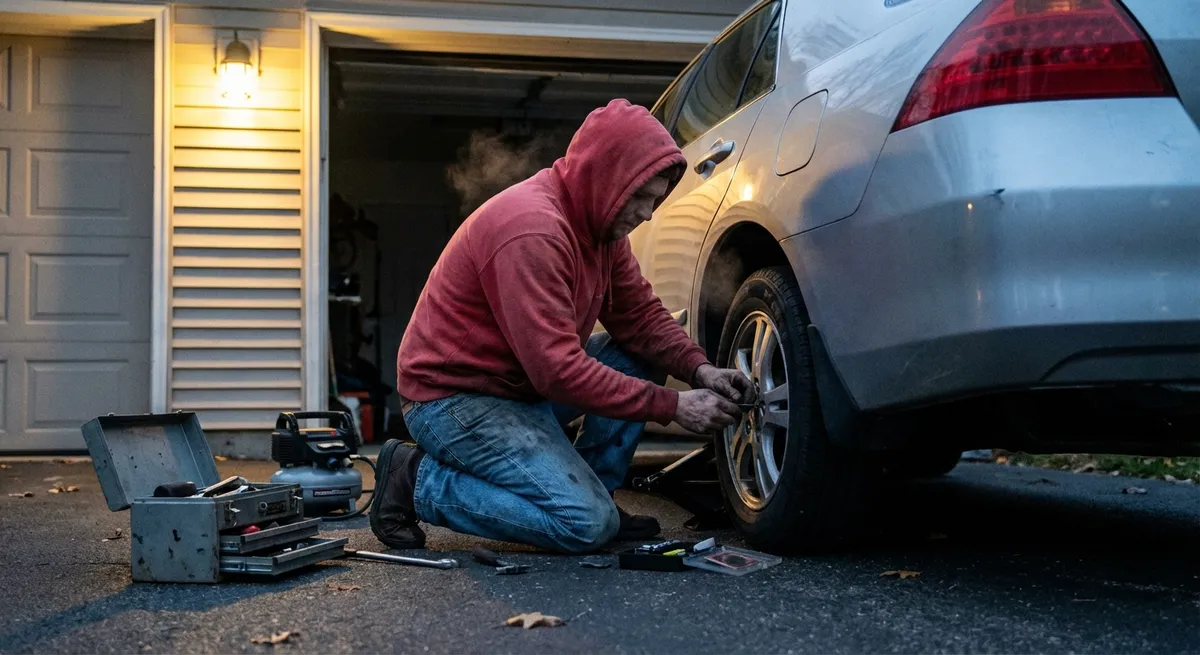
When something goes wrong with your car, it rarely happens at a “good” time. While big problems still belong in a professional shop, there are plenty of smaller issues you can tackle yourself with basic tools and a clear plan. This guide walks you through five practical, step‑by‑step repair tasks that most DIY enthusiasts can handle safely at home or in the driveway—no fancy gear required.
Before You Start: Tools, Safety, and Realistic Limits
Before diving into any repair, set yourself up to succeed instead of scrambling halfway through.
First, gather a small core toolkit: a basic metric/SAE socket set, screwdrivers (flat and Phillips), pliers, a tire pressure gauge, a torque wrench if possible, a jack and jack stands, a funnel, shop rags, and safety gear (gloves and safety glasses). Keep a flashlight or headlamp and a multimeter handy if you plan to do any electrical work. Having your vehicle’s owner’s manual nearby is critical; it tells you fluid specs, fuse locations, torque values, and other details that make or break a successful repair.
Safety comes first. Always work on a flat surface, use wheel chocks, and never rely on a jack alone—support the car on jack stands before crawling underneath. Disconnect the negative battery terminal when working near electrical connectors or spinning components. If a job requires specialized tools, involves airbag systems, fuel lines, or high‑pressure components you don’t understand, treat that as a sign to stop and consult a professional.
Finally, give yourself time. Rushing a DIY repair is how bolts get cross‑threaded, parts break, and safety steps get skipped. Read the full procedure first, watch a couple of model‑specific videos if you can, then walk through each step methodically. Your goal isn’t just “get it done”—it’s “get it done correctly and safely.”
Step‑By‑Step Tip #1: Replacing a Burned‑Out Headlight Bulb
Dim or dead headlights are more than a nuisance—they’re a safety hazard and can earn you a ticket. The good news: on most vehicles, replacing a headlight bulb is one of the simplest DIY jobs you can do.
- Confirm the bulb type.
Check your owner’s manual or look up your vehicle on an auto parts site to identify the correct bulb (e.g., H11, 9005, etc.). Buy the correct replacement, and consider replacing bulbs in pairs so light output matches.
- Access the bulb.
Open the hood and locate the headlight housing behind the front grille. On most cars, you’ll see a round plastic cover or the bulb socket itself at the rear of the housing. You may need to remove an access panel or move a washer fluid bottle to get room.
- Disconnect and remove the old bulb.
With the engine off and lights switched off, unplug the electrical connector from the back of the bulb. Turn the bulb counterclockwise (usually) to unlock it and gently pull it straight out. Avoid yanking on wires.
- Install the new bulb correctly.
Without touching the glass portion of the new bulb (oil from skin can shorten its life), align the tabs with the housing and insert the bulb. Turn it clockwise to lock. Plug the connector back in securely until it clicks.
- Test and adjust if needed.
Turn on the headlights and check both low and high beams. If one is dim or flickering, re‑seat the connector. Make sure the beam pattern looks even on a wall or garage door. If your car allows aiming adjustment and your lights point noticeably up or down, follow the manual’s instructions to readjust.
This small repair pays off immediately in visibility and safety, and once you’ve done it once, future replacements will take just a few minutes.
Step‑By‑Step Tip #2: Swapping Out Worn Brake Pads (Basic Front Disc Brakes)
If you hear squealing or grinding when braking, your pads may be worn down. Replacing disc brake pads is doable for a careful DIYer, as long as you respect safety and don’t cut corners.
- Prepare and secure the vehicle.
Park on a level surface, set the parking brake, and place wheel chocks behind the rear wheels. Loosen (but don’t remove) the front wheel lug nuts with a breaker bar. Jack up the front of the vehicle and support it on jack stands at the recommended lift points. Remove the wheels.
- Inspect the brake assembly.
Locate the brake caliper, which clamps over the rotor. Look through the caliper window or behind it to see the pads. If the friction material is very thin (around 3 mm or less) or completely gone, it’s time to replace. Check the rotor surface for deep grooves or blue spots—if it’s badly damaged, plan for resurfacing or replacement.
- Remove the caliper and old pads.
Remove the caliper bolts on the back of the assembly (usually two bolts). Hang the caliper with a wire or bungee so it doesn’t dangle by the brake hose. Slide the old pads out of the caliper bracket. Take note of their orientation and any clips or shims.
- Compress the caliper piston.
Use a C‑clamp or a dedicated caliper tool to slowly push the piston back into the caliper housing. Place an old pad against the piston face to spread the pressure. Watch the brake fluid reservoir under the hood—if it’s very full, some fluid may need to be siphoned out to prevent overflow.
- Install new pads and reassemble.
Apply a light coat of high‑temp brake grease to the pad backing plates and caliper slide pins (avoid getting any on the friction surfaces or rotor). Install new pads, ensuring they sit square in the bracket. Reinstall the caliper over the new pads and torque the caliper bolts to the manufacturer’s specs. Reinstall wheels, hand‑tighten lug nuts, lower the car, and torque lug nuts in a star pattern to spec.
- Bed in the brakes.
Before driving normally, pump the brake pedal a few times until it feels firm to bring the pads into contact with the rotors. Perform several gentle stops from moderate speed to gradually bed in the pads (follow the pad manufacturer’s instructions). Avoid heavy braking for the first 200–300 miles if possible.
If anything feels spongy, pulls to one side, or makes grinding noises after the job, stop driving and recheck your work or consult a professional shop.
Step‑By‑Step Tip #3: Fixing a Slow Tire Leak with a Plug Kit
A slow leak from a nail or screw in the tread can leave you constantly topping up air—or stranded with a flat. A tire plug kit can get you rolling again quickly when used properly on a simple tread puncture.
- Locate the leak.
Inflate the tire to the recommended pressure. Listen and feel for air escaping. If the leak isn’t obvious, spray soapy water over the tread and look for bubbles. Mark the puncture with chalk or a marker. Only repair simple punctures in the tread area—not sidewalls, shoulders, or large gashes.
- Remove the object and prepare the hole.
Use pliers to pull out the nail or screw. Immediately insert the reaming tool (from the plug kit) into the hole and work it in and out several times to clean and slightly enlarge the puncture. This helps the plug seal properly.
- Load the plug tool.
Thread a rubber plug through the eye of the insertion tool so it’s centered (equal length on both sides). Apply rubber cement if your kit includes it to improve sealing.
- Insert the plug.
Push the loaded insertion tool into the hole until about 1/2 inch (1–2 cm) of plug remains outside the tread. This may require firm pressure. Then quickly pull the tool straight out—the plug should stay in the tire, folded over inside the tread.
- Trim and test.
Use a razor blade or utility knife to cut off the excess plug so it’s nearly flush with the tread surface. Re‑inflate the tire to spec and check with soapy water again. If no bubbles form, reinstall the wheel (if removed) and torque the lug nuts properly.
A plug is typically considered a temporary or mid‑term repair; the safest option is to have the tire demounted and patched from the inside by a tire shop. Avoid plugging the same tire multiple times or repairing damage near the sidewall—those situations call for replacement.
Step‑By‑Step Tip #4: Stopping a Battery That Keeps Dying with a Simple Service
If your car struggles to start or the battery keeps dying, the issue may not be the battery itself but poor connections and corrosion. A short battery service often restores reliable power without needing new parts.
- Inspect the battery and cables.
With the engine off, open the hood and visually inspect the battery. Look for white or bluish powdery corrosion around the terminals, cracked casing, swollen sides, or loose cable ends. If the case is damaged or bulging, replace the battery instead of servicing it.
- Disconnect the battery safely.
Wear gloves and safety glasses. Using a wrench or socket, loosen the nut on the negative (–) terminal and remove the cable, moving it aside so it can’t spring back. Then disconnect the positive (+) terminal. Never let your tool bridge between a terminal and any metal part of the car.
- Clean the terminals and connectors.
Use a battery terminal cleaner tool or a wire brush to scrub the posts until they’re bright metal. Clean the inside of the cable ends the same way. If corrosion is heavy, use a baking soda and water solution on the outside areas, then rinse and dry thoroughly before reassembly (don’t pour liquid into battery vent caps).
- Check cable condition and secure fit.
Inspect cables for fraying, broken strands, or cracked insulation. Replace badly damaged cables. Reinstall the positive cable first, then the negative. Tighten each so the connector cannot twist or move on the post, but don’t overtighten and deform it.
- Protect against future corrosion.
Apply a thin coat of dielectric grease or install anti‑corrosion felt washers at the base of the posts before attaching cables. This helps slow down future buildup. After reconnecting, start the car and check voltage (if you have a multimeter) to ensure the alternator is charging (typically around 13.7–14.7 volts with the engine running).
If a clean, tight battery setup still can’t hold a charge, have the battery load‑tested and the charging system checked—your alternator, parasitic draw, or battery health may be the real culprit.
Step‑By‑Step Tip #5: Fixing an Engine That Idles Rough with an Air Filter and Throttle Body Refresh
A rough idle, sluggish acceleration, or poor fuel economy can sometimes be improved with basic airflow maintenance: a fresh air filter and a cleaned throttle body.
- Replace the engine air filter.
Locate the air filter housing—typically a black plastic box connected to a large intake hose. Release metal clips or remove a few screws, lift the cover, and note the filter’s orientation. Remove the old filter and wipe out any debris in the housing with a clean rag. Drop in a new filter of the correct size and type, reinstalling the cover securely so it seals properly.
- Gain access to the throttle body.
Follow the intake tube from the airbox toward the engine; the throttle body is usually at the end of this duct just before the intake manifold. Loosen the clamps on the intake hose with a screwdriver or socket and carefully remove the hose to expose the throttle plate.
- Inspect the throttle plate and bore.
With the engine off, gently open the throttle plate by hand (on cable‑operated systems) or as recommended for electronic throttles (some should not be forced—check your manual). Look for black carbon deposits and oily buildup around the plate and inside the bore.
- Clean the throttle body correctly.
Spray throttle body or intake cleaner onto a clean microfiber cloth—not directly into the throttle body to avoid over‑saturating components. Wipe the inside surface of the throttle bore and both sides of the throttle plate until carbon deposits are mostly removed. Use light pressure and avoid prying or scratching the surfaces.
- Reassemble and let the engine relearn.
Reattach the intake hose and tighten clamps. Start the engine; it may idle a bit rough for a minute while the computer adapts to the cleaner throttle body. After it settles, take the car for a short drive with varied speeds. Many vehicles adjust idle control over the next few trips, leading to smoother idle and improved response.
If the rough idle remains severe or is accompanied by warning lights, misfire codes, or strong fuel smells, the issue may be deeper (e.g., ignition coils, vacuum leaks, fuel delivery) and worth diagnosing with a scan tool or professional help.
Conclusion
You don’t need a full garage or years of experience to make meaningful repairs on your own car. By starting with straightforward tasks—like changing a headlight bulb, refreshing brake pads, plugging a simple tire puncture, servicing your battery, or cleaning the intake path—you build real confidence and keep your vehicle safer and more reliable. Work methodically, respect your limits, and always prioritize safety. The more familiar you become with your car’s basic systems, the easier it is to spot problems early, make smart repair decisions, and avoid being caught off guard by preventable breakdowns.
Sources
- [National Highway Traffic Safety Administration – Vehicle Safety and Maintenance](https://www.nhtsa.gov/vehicle-safety) – Official U.S. guidance on vehicle safety, maintenance, and recall information
- [AAA – Car Maintenance and Repair Tips](https://exchange.aaa.com/automotive/maintenance-repair/) – Practical articles on common auto maintenance and repair issues
- [Bridgestone Tires – How to Repair a Tire](https://www.bridgestonetire.com/learn/tire-care-maintenance/how-to-fix-a-flat-tire/) – Detailed guidance on flat tire repair and when a tire should be replaced
- [Advance Auto Parts – How to Replace Brake Pads](https://shop.advanceautoparts.com/r/car-projects/brakes-and-traction/how-to-change-your-brake-pads) – Step‑by‑step brake pad replacement instructions for DIYers
- [U.S. Department of Energy – Fuel Economy and Maintenance](https://www.fueleconomy.gov/feg/maintain.jsp) – Explains how proper maintenance (filters, tires, etc.) affects performance and efficiency
Key Takeaway
The most important thing to remember from this article is that this information can change how you think about Auto Repair.