A lot of home repairs look intimidating until you realize most of them follow the same basic pattern: diagnose, prep, repair, test, and prevent. Instead of calling a pro for every squeak, drip, or wobble, you can safely tackle many fixes yourself with a few common tools and a clear plan. This guide walks through five practical, step‑by‑step repairs you can realistically do in an afternoon, even if you’re not “handy” yet.
Before You Start: Safety, Tools, and Smart Limits
Before grabbing a screwdriver, it’s worth setting a few ground rules that will keep your projects successful and low‑stress.
Always start by turning off the right power or water source. For anything electrical (light fixtures, outlets, switches), shut off the correct circuit at the breaker panel and verify it’s off with a non‑contact voltage tester. For plumbing work, locate and close the nearest shut‑off valve or the main water shut‑off if needed.
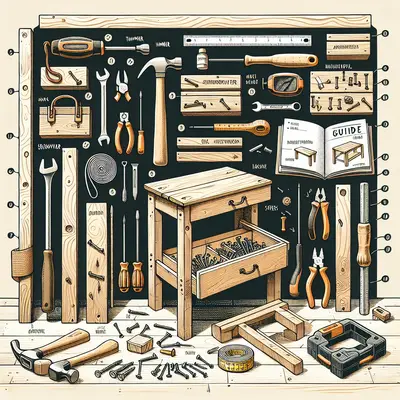
Essential starter tools go a long way: a basic screwdriver set, adjustable wrench, pliers, utility knife, tape measure, stud finder, hammer, drill/driver with bits, and a small level will cover most of the repairs in this guide. Keep a simple safety kit nearby: work gloves, safety glasses, and a dust mask if you’re drilling or sanding.
Know your limits. Structural changes, gas lines, complex wiring, and anything you don’t fully understand from start to finish are better left to licensed professionals. A good rule: if a mistake could cause a fire, flood, or structural damage, get expert help. For the rest, a careful DIY approach can save money and build real confidence.
Fix 1: Stop a Dripping Faucet Without Replacing the Whole Thing
A dripping faucet wastes water and quietly raises your bill. Most drips come from worn internal parts—usually a cartridge, O‑ring, or washer—not from the entire faucet failing. With a little patience and the right replacement parts, you can stop that drip for good.
Step 1 – Turn off the water and plug the drain
Find the shut‑off valves under the sink and turn them clockwise until they’re fully closed. Open the faucet to release pressure and drain remaining water. Close the sink stopper or put a rag over the drain to catch small screws and parts.
Step 2 – Identify your faucet type
Look at the handle: is it a single lever or two separate knobs? Common types include cartridge, ball, disc, and compression faucets. Take a quick photo of your faucet and handle assembly before you disassemble anything—this helps at the store and during reassembly.
Step 3 – Remove the handle and access the internal parts
Pop off decorative caps with a small flathead screwdriver if present. Use a screwdriver or Allen (hex) key to remove the handle screw, then gently pull the handle off. Underneath, you’ll see a retaining nut or clip holding the cartridge or stem in place. Carefully remove it using an adjustable wrench or pliers.
Step 4 – Remove and inspect the cartridge/washer/O‑rings
Pull the cartridge or stem straight up. Note its orientation (take another photo). Check O‑rings and rubber seals for cracks, flattening, or wear. On compression faucets, inspect the rubber washer at the bottom of the stem—this is a common drip culprit.
Step 5 – Get matching replacement parts
Take the old parts to a hardware store and compare them to replacement cartridges, washers, and O‑rings. Match brand, shape, and size as closely as possible. Many stores have reference books or staff who can help you identify the correct kit.
Step 6 – Reassemble in the reverse order
Lubricate new O‑rings lightly with plumber’s grease (not petroleum jelly). Insert the new cartridge or reassembled stem in the same orientation. Reinstall the retaining nut or clip, then the handle and decorative caps. Turn the shut‑off valves back on slowly and test the faucet. If it still drips, make sure everything is seated tightly but not over‑tightened.
Fix 2: Quiet a Squeaky Interior Door Without Replacing Hinges
A squeaky door is annoying, but the fix is usually simple: clean and lubricate the hinge pins. This small job can make doors feel newer and reduce wear on the hinges over time.
Step 1 – Identify which hinge squeaks
Open and close the door slowly and listen closely. Often, one hinge is louder than the others. Tighten the hinge screws with a screwdriver first; loose screws can cause misalignment and noise.
Step 2 – Prepare the area
Lay a cloth or cardboard under the door side to catch any drips from lubricant. Keep a hammer and a small nail or pin punch handy for removing hinge pins.
Step 3 – Remove one hinge pin at a time
Starting with the middle hinge (if there are three), place the nail or punch at the bottom of the hinge pin and tap upward gently with the hammer. Once the pin head rises, pull it out with your fingers or pliers. Keep the door mostly closed to reduce stress on the remaining hinges.
Step 4 – Clean the hinge pin and barrel
Wipe the hinge pin with a rag to remove old grease, dust, or rust. Insert a cotton swab or twisted paper towel into the hinge barrel to clean inside as well. If there’s rust, lightly sand the pin with fine sandpaper.
Step 5 – Lubricate properly
Apply a small amount of silicone spray, dry lubricant, or a light machine oil to the hinge pin and inside the barrel. Avoid heavy greases that can attract dust. Insert the hinge pin back into the barrel and tap gently until it’s fully seated.
Step 6 – Repeat and test
Repeat the process for the remaining hinges, one at a time, so the door stays supported. Open and close the door several times; the squeak should be gone or greatly reduced. Wipe away any excess lubricant that may have squeezed out.
Fix 3: Secure a Wobbly Towel Bar or Toilet Paper Holder
Loose bathroom fixtures are more than just annoying—they can eventually pull out of the wall and leave damage behind. The good news: you can usually make them feel rock solid again with better anchors and a few simple tools.
Step 1 – Remove the loose fixture
Loosen the small set screws (usually under the bracket) with a small flathead or hex key. Slide the decorative end pieces off to expose the mounting brackets. Unscrew the brackets from the wall and set everything aside.
Step 2 – Inspect the wall and old anchors
Check whether the old screws were driven into a stud or just drywall. If anchors pulled out or the holes are enlarged, you’ll need stronger anchors or a fresh mounting location. If the wall is badly damaged or crumbly, you may need to move the fixture a few inches and patch the old holes.
Step 3 – Choose better anchors
For typical drywall without a stud, use metal or high‑quality self‑drilling plastic anchors rated for at least 25–50 lbs. For heavier towel bars, especially near showers where people sometimes grab them for support, consider installing at least one side into a stud for maximum strength.
Step 4 – Mark and drill new mounting holes
Hold the mounting brackets level on the wall and mark the screw locations with a pencil. Use a level to ensure both brackets align horizontally. Drill pilot holes according to your anchor instructions (usually slightly smaller than the anchor body). If you’re going into a stud, a smaller pilot hole and wood screws are enough—no anchor needed.
Step 5 – Install anchors and brackets
Tap or screw your anchors into the pilot holes until they’re flush with the wall. Then screw the mounting brackets firmly into the anchors or studs. Brackets should feel solid with no wiggle.
Step 6 – Reattach the fixture and test
Slide the decorative ends onto the brackets and tighten the set screws. Gently pull and push on the bar or holder to confirm it’s stable. Avoid using towel bars as grab bars—those require special, code‑compliant supports rated for body weight.
Fix 4: Patch a Small Drywall Hole So It Blends In
From door handles to picture hooks, small drywall damage is almost inevitable. You don’t need to be a pro to make repairs look clean and nearly invisible; the key is layering thin coats and sanding properly.
Step 1 – Clean and prepare the damaged area
For nail or screw holes, remove any loose paper or flaking drywall using a utility knife. For small gouges (up to about 2 inches), cut away any torn paper edges so everything is solid. Lightly sand the area to remove bumps and dust.
Step 2 – Choose the right patching material
For tiny nail holes, lightweight spackle works well and dries quickly. For slightly larger holes or dents, a pre‑mixed joint compound is better. If the hole is larger than a couple of inches, use a self‑adhesive mesh patch designed for drywall.
Step 3 – Apply the first coat
Using a putty knife, press the compound into the hole and smooth it flat with the surrounding wall. Keep your pressure light and angle shallow to feather the edges. For mesh patches, apply compound over the patch and extend a couple of inches beyond it.
Step 4 – Let it dry and sand lightly
Allow the compound to dry completely according to the product instructions (often a few hours). Once dry, sand gently with fine‑grit sandpaper (around 120–220 grit) to smooth out ridges and blend the patch into the wall. Wipe away dust with a damp cloth.
Step 5 – Add a second (and maybe third) thin coat
Apply another thin coat of compound, feathering the edges a bit wider beyond the first coat. Let it dry and sand lightly again. For a flawless finish on more visible areas, a third ultra‑thin coat can help the repair completely disappear once painted.
Step 6 – Prime and paint
Bare compound can absorb paint unevenly and flash through as a dull spot. Apply a small amount of primer over the patch, let it dry, then paint with your wall color. If you don’t have leftover paint, bring a paint chip or high‑quality photo (in good light) to a paint store for color matching.
Fix 5: Replace a Worn Weatherstrip to Cut Drafts and Noise
Drafty doors don’t just feel uncomfortable—they increase heating and cooling costs. Replacing old, flattened, or cracked weatherstripping is a straightforward way to make your home more efficient and comfortable.
Step 1 – Inspect the door and existing seals
On a bright day, close your door and look for light shining in around the edges. Feel for drafts with your hand. Check the top and sides of the door frame for worn or missing weatherstripping, and examine the bottom door sweep or threshold seal.
Step 2 – Choose the right replacement type
Common side and top weatherstripping options include adhesive foam tape, V‑strip (tension seal), and kerf‑insert vinyl or rubber strips that slide into a groove. For the bottom, options include screw‑on door sweeps or adjustable thresholds. Match your new product to what you currently have when possible.
Step 3 – Remove old weatherstripping
Peel off adhesive foam carefully. For nailed or stapled strips, pry them up gently with a flat tool. Remove any leftover adhesive with a scraper and mild solvent if needed. Wipe the surface clean and let it dry completely—adhesive won’t stick to dust or grease.
Step 4 – Measure and cut new strips
Measure each edge of the door frame separately. Cut your new weatherstripping slightly long, then trim for a snug fit. For V‑strip or kerf‑style weatherstripping, ensure the “bulb” or sealing edge will press gently against the door when closed, not so hard that the door becomes difficult to latch.
Step 5 – Install the new seals
For adhesive types, peel off a small section of backing at a time and press the strip firmly into place, working your way along the frame. For kerf‑insert types, push the barbed edge into the groove along the frame. Install a new door sweep or threshold seal following the manufacturer’s instructions, and use a level to ensure it sits evenly.
Step 6 – Test and adjust
Close the door and check for resistance. The door should close and latch securely without excessive force. Check for light leaks again and feel for remaining drafts. If the door is hard to close, gently reposition or slightly trim the weatherstripping where it’s too tight.
Conclusion
Small, targeted repairs like stopping a drip, silencing a squeak, stabilizing fixtures, patching walls, and sealing drafts can dramatically improve how your home feels day to day—without major tools or experience. The more you practice straightforward projects like these, the more comfortable you’ll become diagnosing issues and deciding what you can safely handle yourself.
Document each repair with photos, keep a simple tool kit organized, and don’t hesitate to look up product‑specific instructions or local codes when in doubt. Over time, you’ll build a personal playbook of fixes that save money, extend the life of your home, and make those “I should really fix that” moments far less intimidating.
Sources
- [U.S. Environmental Protection Agency – Fix a Leak](https://www.epa.gov/watersense/fix-leak-week) - Provides data on water waste from leaks and basic guidance on finding and fixing common household leaks
- [Family Handyman – How to Fix a Leaky Faucet](https://www.familyhandyman.com/project/how-to-fix-a-leaky-faucet/) - Step‑by‑step walkthroughs for different faucet types and common replacement parts
- [Energy.gov – Air Sealing Your Home](https://www.energy.gov/energysaver/air-sealing-your-home) - Explains why sealing gaps and improving weatherstripping improves comfort and lowers energy bills
- [U.S. Department of Energy – Doors and Windows](https://www.energy.gov/energysaver/energy-efficient-windows-doors-and-skylights) - Details how doors and their seals affect home efficiency and comfort
- [University of Missouri Extension – Repairing Holes in Drywall](https://extension.missouri.edu/publications/gp130) - Practical guidance on selecting materials and techniques for patching different sizes of drywall damage
Key Takeaway
The most important thing to remember from this article is that this information can change how you think about Home Repairs.