Owning a home comes with a never‑ending list of “I really should fix that” problems—drippy faucets, sticky doors, wobbly shelves, and more. The good news: a surprising number of these annoyances are totally manageable with basic tools and a clear plan. This guide walks through five practical repair projects, step by step, that a DIY‑minded homeowner can realistically handle in an afternoon or less.
Each fix is designed to be:
- Safe for beginners (with common‑sense precautions)
- Achievable with simple tools
- High‑impact for daily comfort and home value
Before You Start: Tools, Safety, and Smart Limits
Before diving into any repair, a little prep saves time and frustration.
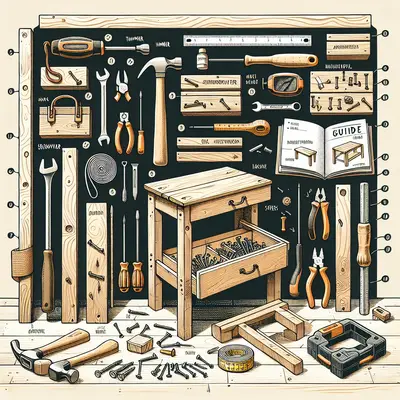
Keep a basic kit on hand:
- Screwdrivers (Phillips and flathead)
- Adjustable wrench
- Tape measure
- Utility knife
- Hammer
- Stud finder
- Drill/driver with bits
- Level
- Plumber’s tape (Teflon tape)
- Assorted screws, wall anchors, and sandpaper
- Turn off power at the breaker before working on or near electrical fixtures.
- Shut off water at the fixture valve (or main valve if needed) before plumbing work.
- Wear safety glasses when drilling, cutting, or working overhead.
- Use a step stool or ladder correctly—no standing on chairs or countertops.
- If you see signs of mold, structural damage, live wiring, or gas lines, pause and consult a pro.
- When in doubt with electricity or gas, don’t guess—call a licensed professional.
Safety basics:
Know your limits:
Step‑By‑Step Fix #1: Stop a Dripping Bathroom Faucet
A dripping faucet wastes water and money, but many leaks are caused by a worn cartridge or washer and can be fixed in under an hour.
What you’ll need:
Adjustable wrench, screwdriver, replacement cartridge or washer (match your faucet brand/model), plumber’s tape, towel.
Steps:
Shut off the water
Locate the shutoff valves under the sink and turn them clockwise until they stop. Open the faucet to relieve pressure and confirm the water is off.
Plug the drain and prep the area
Use the sink stopper or a towel in the drain to prevent screws or parts from falling in. Lay a towel in the sink to protect surfaces.
Remove the handle
Look for a small cap or screw on the handle. Pop off decorative caps with a flathead screwdriver, then unscrew the handle and gently remove it.
Disassemble and identify the valve
Under the handle, you’ll see a retaining nut or clip. Use an adjustable wrench to loosen it. Carefully pull out the cartridge or stem assembly. Take a photo for reference before removing anything.
Match and replace the worn part
Compare the old cartridge/washer with a replacement from a hardware store (bring the old part with you). Install the new piece in the same orientation as the original. Use plumber’s tape on threaded connections if recommended.
Reassemble and test
Reinstall the retaining nut, handle, and any caps. Turn the shutoff valves back on slowly. Open the faucet and check for leaks. If it still drips, double‑check orientation and that all parts are fully seated.
Step‑By‑Step Fix #2: Quiet a Squeaky Interior Door
Squeaky doors are more annoying than dangerous, but they’re one of the easiest “quality of life” upgrades you can do yourself.
What you’ll need:
Hammer, nail or small screwdriver, lubricant (silicone spray, white lithium grease, or petroleum jelly), rag.
Steps:
Identify the squeak
Slowly open and close the door. Most squeaks come from the hinges, not the door rubbing on the frame. Listen closely to pinpoint which hinge is loudest.
Support the door (for heavy doors)
Slide a wedge, folded cardboard, or thin book under the outer edge of the door to keep it from shifting while you work on the hinges.
Remove one hinge pin at a time
Place a nail or small screwdriver under the bottom of the hinge pin and tap upward with a hammer until the pin lifts out. Don’t remove all pins at once—the door can fall.
Clean the hinge pin
Wipe old grime and rust off the pin with a rag. If it’s badly corroded, lightly sand with fine‑grit sandpaper.
Lubricate and reinstall
Coat the hinge pin with your chosen lubricant, then slide it back into the hinge, tapping gently with a hammer if needed. Wipe away excess. Repeat for remaining squeaky hinges.
Check alignment and operation
Remove the wedge and open/close the door several times. If the door now drags or sticks, you may need minor hinge adjustments or to tighten loose hinge screws.
Step‑By‑Step Fix #3: Secure a Wobbly Wall Shelf
A loose or sagging shelf is both an eyesore and a hazard. Often, the fix is as simple as anchoring it properly to a wall stud or using the right wall anchors.
What you’ll need:
Stud finder, level, drill/driver, wood screws, wall anchors (for drywall), tape measure, pencil.
Steps:
Unload and inspect the shelf
Remove everything from the shelf. Check brackets or mounting hardware for bent metal, stripped screws, or damaged anchors.
Find studs and mark level lines
Use a stud finder to locate studs near where the shelf is installed. Mark stud locations lightly with a pencil. Use a level to draw a straight, faint line where the top of the brackets should sit.
Decide on attachment points
For heavy loads, at least one bracket should hit a stud. Where a stud isn’t available, plan to use appropriately rated drywall anchors. Compare anchor weight ratings with what you plan to store.
Remove poor‑quality anchors
If existing anchors are spinning or pulling out, remove them. Gently pry them out or push them into the wall cavity if necessary (then repair later with patching compound).
Install new anchors or screws
Pre‑drill holes where you need anchors, insert anchors per package instructions, and then fasten the shelf brackets using screws. Where you found studs, use wood screws directly into the stud (no anchors needed).
Re‑mount the shelf and check level
Attach the shelf to the brackets, confirm it’s level, then press down gently to test for wobble. Load heavy items nearest the wall and over stud‑secured brackets.
Step‑By‑Step Fix #4: Patch a Small Hole in Drywall
Nail pops, doorknob dents, and small accidental holes are common and very fixable. With a little patience, you can make the wall look nearly new.
What you’ll need:
Spackle or lightweight joint compound, putty knife, fine‑grit sandpaper, damp sponge, primer and paint, optional self‑adhesive patch (for larger holes up to a few inches).
Steps:
Assess hole size
- Small (nail holes, picture hooks): spackle alone is fine. - Medium (up to ~2–3 inches): use a self‑adhesive wall repair patch plus compound.
Clean and prep the area
Remove any loose drywall or paint chips. Wipe dust with a damp sponge and let the area dry fully before applying compound.
Apply patch (for larger holes)
Center a self‑adhesive mesh patch over the hole and press firmly. This gives the compound something to grab onto and prevents cracking.
First coat of compound
Use a putty knife to spread spackle or joint compound over the hole, feathering the edges outward so it blends with the wall. Don’t overbuild; a thin coat is better.
Let dry and sand lightly
Allow the compound to dry as directed (usually a few hours). Lightly sand with fine‑grit sandpaper until smooth and flush with the wall. Wipe dust away with a damp sponge.
Repeat if needed, then prime and paint
For deeper holes, apply a second thin coat, dry, and sand again. Once smooth, apply primer to the patched area to prevent flashing (a visible difference in sheen), then paint to match the wall.
Step‑By‑Step Fix #5: Silence a Running Toilet
A toilet that won’t stop running wastes a lot of water but is usually fixed by adjusting or replacing simple tank parts.
What you’ll need:
Adjustable wrench (sometimes not needed), replacement fill valve and/or flapper (universal kits are widely available), towel.
Steps:
Take off the tank lid and observe
Flush the toilet and watch the tank refill. Note where water is going: - Is water streaming into the overflow tube? - Is the flapper not sealing completely? - Is the fill valve not shutting off?
Check the flapper seal
Push down gently on the rubber flapper at the bottom of the tank. If the running stops while you press, the flapper is likely worn or misaligned and needs replacing.
Adjust the float height
If water is overflowing into the center tube, the water level is set too high. Adjust the float: - For a float cup: turn the adjustment screw on top or slide the clip to lower the cup. - For a float ball: bend the metal arm downward slightly to lower the water level.
Replace the flapper if needed
Shut off water at the valve behind the toilet. Flush to drain most of the water from the tank. Unhook the old flapper from the overflow tube and chain, install the new one, and adjust the chain so it’s not too tight or too slack.
Replace the fill valve (if adjustment fails)
Turn off water and drain the tank. Disconnect the water supply line from the bottom of the tank. Unscrew the old fill valve nut and remove the valve. Insert the new valve per instructions, tighten the nut (hand‑tight, then a slight wrench turn), reconnect the supply line, and turn the water on slowly.
Test multiple flushes
Let the tank fill and confirm the water stops at the marked water line. Flush several times to ensure it refills correctly and no longer runs continuously.
Conclusion
Small repairs add up. Tackling a dripping faucet, squeaky door, loose shelf, damaged drywall, and a running toilet doesn’t just save money—it also builds your confidence for bigger projects down the road. With basic tools, a safety‑first mindset, and a step‑by‑step approach, you can turn a list of everyday annoyances into a set of satisfying DIY wins.
If you’re unsure at any step, pause, look up your specific fixture or product, and don’t hesitate to call in a professional when the job goes beyond your comfort zone. The goal isn’t to do everything yourself—it’s to know when you can, and to do it well when you choose to.
Sources
- [U.S. Environmental Protection Agency – Fix a Leak](https://www.epa.gov/watersense/fix-leak-week) – Guidance on common household leaks (including faucets and toilets) and their impact on water use
- [Family Handyman – How to Fix a Leaking Faucet](https://www.familyhandyman.com/project/how-to-fix-a-leaking-faucet/) – Step‑by‑step visuals and tips for repairing various faucet types
- [This Old House – How to Fix a Running Toilet](https://www.thisoldhouse.com/plumbing/21017990/how-to-fix-a-running-toilet) – Detailed instructions on troubleshooting and replacing toilet tank components
- [Lowe’s – How to Repair Drywall](https://www.lowes.com/n/how-to/repair-drywall) – Practical guide for patching different sizes of drywall damage
- [Home Depot – How to Install Drywall Anchors](https://www.homedepot.com/c/ah/how-to-install-drywall-anchors/9ba683603be9fa5395fab9013c9fe4c) – Explanation of anchor types and correct installation for securing shelves and fixtures
Key Takeaway
The most important thing to remember from this article is that this information can change how you think about Home Repairs.