Home repairs usually don’t fail because they’re “too hard”—they fail because they feel overwhelming. When something leaks, squeaks, or won’t shut properly, your stress level jumps, and it’s tempting to ignore it or immediately call a pro. With a few straightforward, repeatable steps, though, a lot of common issues become manageable projects instead of emergencies.
This guide walks you through five practical, step‑by‑step home repairs that most DIY‑ers can handle with basic tools. Each repair is chosen because it delivers real impact: less noise, less water waste, less energy loss, and fewer daily annoyances.
Before You Start: Safety and Smart Prep
Even simple fixes go better when you set yourself up properly.
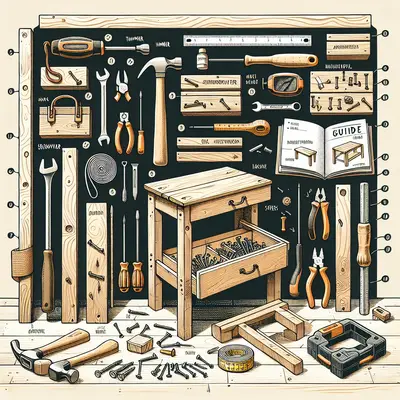
First, gather a basic tool kit: a flathead and Phillips screwdriver, adjustable wrench, pliers, utility knife, tape measure, a small level, flashlight or headlamp, and a stud finder. Add consumables like plumber’s tape (Teflon tape), wood glue, sandpaper, silicone or acrylic caulk, and a small assortment of screws and wall anchors.
Always turn off power at the breaker when working near electrical fixtures, even if you’re just tightening a loose cover plate. For plumbing, locate shutoff valves under sinks and behind toilets so you can kill water quickly if needed. Keep a towel and small bucket nearby for leaks.
Take photos before you disassemble anything. Those reference shots are invaluable when you’re putting everything back together. Finally, move slowly and deliberately: if you’re forcing a part or confused by how something fits, stop and re‑check instructions or look up the specific model online.
1. Quiet a Squeaky Interior Door
A squeaky door sounds minor but can drive you crazy. The fix is usually simple and doesn’t require taking the whole door off.
Tools & materials: Hammer, small nail or punch, rag, lubricant (silicone spray, white lithium grease, or petroleum jelly), optional: pliers.
Steps:
- Identify the hinge that squeaks. Open and close the door slowly and listen. Often it’s one hinge, not all of them.
- Lift the hinge pin partway. Place a small nail or punch under the bottom tip of the hinge pin and gently tap upwards with a hammer until the pin rises enough to grab with your fingers or pliers.
- Remove and clean the pin. Pull the pin out, wipe off old dirt or rust with a rag. If it’s heavily rusted, lightly sand with fine sandpaper and wipe clean.
- Apply lubricant. Coat the pin lightly with your chosen lubricant. Avoid overdoing it—too much will drip and attract dust.
- Reinsert the pin. Slide the pin back into the hinge and tap gently with the hammer until fully seated.
- Work the hinge. Open and close the door several times to work the lubricant in. Wipe any drips from the hinge and floor.
- Repeat if needed. If the door still squeaks, repeat for the other hinges until the noise disappears.
This simple routine usually eliminates squeaks for months or longer. If the door still binds or creaks after lubricating, you might have a sagging door—which can often be resolved by tightening hinge screws or replacing stripped screws with longer ones that bite into the wall stud.
2. Stop a Dripping Faucet (Compression and Cartridge Types)
A dripping faucet wastes water and can stain sinks. Many leaks come from worn internal parts that are cheap and relatively easy to replace.
Tools & materials: Adjustable wrench, screwdriver, replacement washer or cartridge (match your faucet brand/model), plumber’s tape (Teflon tape), rag.
Steps:
- Shut off the water. Look under the sink and turn the shutoff valves clockwise until they stop. Open the faucet to relieve pressure and ensure water is off.
- Plug the drain. Use the sink stopper or a rag so you don’t lose screws or small parts down the drain.
- Remove the handle. Pop off any decorative cap with a flat screwdriver to expose the screw. Unscrew and pull the handle off.
- Access the valve. For compression faucets (older two‑handle types), remove the packing nut with a wrench and pull out the stem. For cartridge faucets, pull the retaining clip or nut and slide the cartridge out.
- Inspect and replace parts. On compression faucets, replace the rubber washer and, if worn, the O‑rings. On cartridge faucets, replace the entire cartridge with an identical part. Take the old piece to a hardware store if you’re unsure.
- Reassemble with care. Wrap threads with plumber’s tape if recommended for your model, then reinstall the stem or cartridge, tighten nuts snugly (don’t overtighten), and put the handle back on.
- Turn water on slowly. Open the shutoff valves, then slowly open the faucet. Check for leaks around the handle and under the sink. Tighten gently if you see small drips.
If the faucet still drips after replacing parts, you may have a damaged valve seat or need a specialty part—at that point, checking the manufacturer’s instructions or calling a pro can save time.
3. Reseal a Drafty Window with Caulk
Drafty windows waste energy and make rooms uncomfortable. Resealing gaps with caulk is a manageable project that can noticeably improve comfort.
Tools & materials: Utility knife, scraper, caulk gun, exterior‑grade caulk (for outside), paintable interior caulk (for inside), rag, mild cleaner.
Steps:
- Find the gaps. On a windy day, run your hand around the window frame and sill; feel for air movement. Visual gaps or cracking caulk are obvious trouble spots.
- Remove old caulk. Use a utility knife or scraper to cut and lift out peeling or cracked caulk. Remove loose debris so new caulk can adhere properly.
- Clean the area. Wipe down surfaces with a mild cleaner and let them dry completely. Caulk sticks poorly to dusty or damp surfaces.
- Prepare the caulk tube. Cut the tip of the tube at a 45‑degree angle, small enough to match your gap size. Puncture the inner seal if required.
- Apply a steady bead. Holding the gun at a consistent angle, squeeze a thin, continuous bead of caulk along each gap. Move the gun slowly to avoid breaks or globs.
- Tool the joint. With a slightly damp finger or a caulk‑smoothing tool, gently press and smooth the bead so it fills the gap and bonds on both sides. Wipe excess on a rag.
- Let it cure. Follow the product’s drying time before painting (if paintable) or exposing to heavy moisture. Avoid opening/closing windows directly on fresh caulk edges.
Focus first on the biggest energy leaks: windows on exterior walls, around AC units, and any places you can feel strong drafts. Small improvements here can make your heating and cooling systems work less hard.
4. Fix a Wobbly Chair or Table
Loose joints in wood furniture are common and usually fixable. Addressing them early keeps furniture from breaking outright.
Tools & materials: Wood glue, clamps or heavy weights, screwdriver, small brush or cotton swab, damp rag, sandpaper (optional), wood filler (optional).
Steps:
- Identify the loose joint. Gently rock the chair or table and watch where movement occurs—often at legs, stretchers, or back supports.
- Disassemble the joint if possible. Remove screws or bolts holding the loose area. For doweled joints, you may be able to gently work the pieces apart by hand. Don’t force to the point of cracking.
- Clean old glue. Scrape off loose or flaky glue with a small knife or sandpaper so new glue can bond properly. Wipe away dust.
- Apply wood glue. Use a small brush or cotton swab to spread glue in the joint or dowel holes. A thin, even coat is better than flooding the joint.
- Reassemble and clamp. Fit the pieces together snugly. Use clamps or carefully placed heavy books/weights to hold everything in position. Wipe away any squeeze‑out with a damp rag.
- Tighten hardware. If there are screws or bolts, reinstall and tighten them once the joint is back together. Consider slightly longer screws if the old ones no longer bite firmly (but not so long they poke through).
- Let it cure undisturbed. Follow the glue’s recommended drying time (often 24 hours). Avoid sitting on or moving the furniture until fully cured.
If a screw hole is stripped, you can fill it with wood glue and toothpicks or a wood dowel, let dry, then re‑drill a pilot hole and reinstall the screw. This simple trick restores grip to worn joints.
5. Patch a Small Hole in Drywall (Nail to Baseball Size)
From picture hooks to accidental dings, drywall damage is normal. Small repairs are very doable and make walls look fresh again.
Tools & materials: Utility knife, putty knife, lightweight spackling or joint compound, sanding sponge or fine sandpaper, drywall patch (for larger holes), primer, touch‑up paint.
Steps for small nail/screw holes and minor dents:
- Clean the area. Remove loose paint or dust. For raised edges around a hole, lightly scrape with a knife so the surface is roughly level.
- Apply spackle. Using a putty knife, press a small amount of spackle into the hole, then scrape it smooth so it’s flush or slightly proud of the wall surface.
- Let it dry. Follow package instructions—usually a few hours for small spots.
- Sand smooth. Lightly sand until the patch blends with the surrounding wall. Wipe off dust with a dry cloth.
- Prime and paint. Spot‑prime the patch (important to prevent flashing), then apply matching paint.
Steps for larger holes (up to about a baseball):
- Square the hole. Use a utility knife or drywall saw to cut the damaged area into a neat rectangle or square. This makes patching easier.
- Insert a backing support (if needed). For larger holes, screw a small piece of wood (like a paint stir stick or scrap board) behind the hole, spanning across it. Drive one screw through the wall at the top and bottom to hold the backing in place.
- Cut a patch. Cut a piece of drywall to fit the hole snugly, or use a self‑adhesive mesh patch sized slightly larger than the opening.
- Secure the patch. Screw the drywall patch into your backing support or press a mesh patch flat over the hole.
- Apply compound. Spread joint compound over the patch, feathering the edges outward. Let dry, then sand lightly. Apply a second, thinner coat if needed to fully blend.
- Prime and paint. Once smooth and dust‑free, prime and paint the entire patched area.
Take your time feathering the edges of the compound and sanding; that’s what makes a patch practically disappear.
Conclusion
Small, persistent problems in your home—drips, drafts, squeaks, wobbles, and wall damage—add up to daily frustration and wasted money. Tackling them with clear, step‑by‑step routines transforms them from “projects you keep putting off” into quick wins you can repeat confidently.
Start with one repair from this list that’s already bugging you. Gather the tools, follow the steps slowly, and document what you do. As your comfort grows, you’ll find more of your home’s everyday issues are fixable with the skills and tools you already have—or can easily learn.
Sources
- [U.S. Department of Energy – Air Sealing Your Home](https://www.energy.gov/energysaver/air-sealing-your-home) - Guidance on sealing leaks around windows and doors to improve efficiency
- [EPA – WaterSense: Fix a Leak Week](https://www.epa.gov/watersense/fix-leak-week) - Information on the impact of household leaks and basic repair strategies
- [Family Handyman – How to Fix Squeaky Doors](https://www.familyhandyman.com/project/how-to-fix-squeaky-doors/) - Practical walkthroughs and variations on quieting noisy hinges
- [This Old House – How to Patch a Hole in Drywall](https://www.thisoldhouse.com/walls/21016444/how-to-patch-a-hole-in-drywall) - Detailed visual guide for drywall repairs of different sizes
- [Oregon State University Extension – Furniture Repairs You Can Do Yourself](https://extension.oregonstate.edu/fch/house-home/furniture-repairs-you-can-do-yourself) - Explains common loose-joint fixes and basic furniture maintenance
Key Takeaway
The most important thing to remember from this article is that this information can change how you think about Home Repairs.